What Is BDP and How Is It Identified?
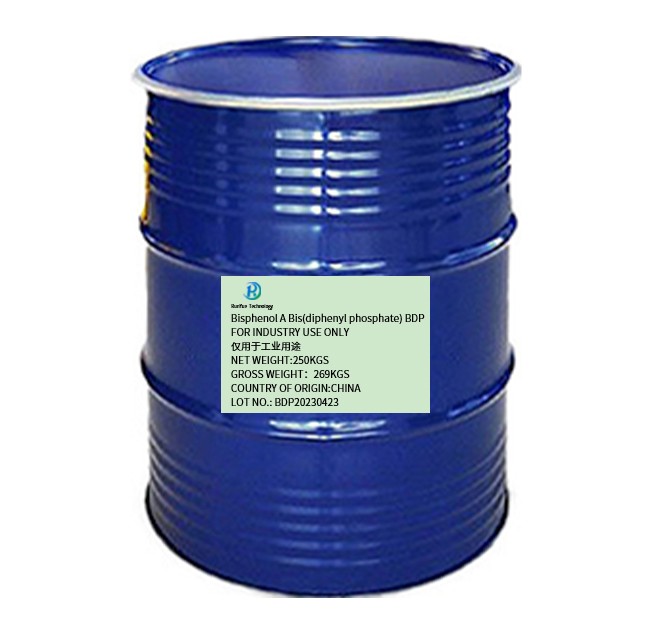
BDP, or bisphenol A bis(diphenyl phosphate), is an organophosphorus compound used in polymer flame retardancy. Understanding its chemical identity is the first step toward understanding how it behaves in polyurethane systems.
Chemical Identity and CAS Number
BDP is chemically known as bisphenol A-bis(diphenyl phosphate). Its molecular formula is C39H34O8P2, with a molecular weight of 692.63. The substance is identified by CAS number 5945-33-5. These identifiers allow formulators and regulators to trace the material consistently across supply chains and technical documentation.
BDP as a Halogen-Free Phosphate Ester
BDP belongs to the halogen-free phosphate ester flame retardant family. Unlike halogenated flame retardants, it contains no chlorine or bromine in its structure. A characteristic feature of BDP is its dual function: it acts as both a flame retardant and a plasticizer. This combination makes it relevant for engineering plastics such as PC/ABS and PPO/HIPS, where processing flexibility and flame performance are both required. In polyurethane systems, the same phosphate ester chemistry provides a basis for flame retardant activity while influencing the physical behavior of the polymer matrix.
Why Is BDP Used in Polyurethane Systems?
Compatibility with Polyurethane Foams and Elastomers
Polyurethane covers a broad family of materials, including flexible foams, rigid foams, and elastomers. Phosphate ester flame retardants are generally considered for their compatibility with these systems, although the exact behavior depends on the polyol and isocyanate chemistry involved. In flexible and rigid foams, the liquid nature of many phosphate esters allows them to be incorporated during formulation. In elastomers, compatibility considerations center on whether the additive remains dispersed without excessive exudation. BDP's relatively high molecular weight is one factor that formulators examine when assessing migration and volatility in polyurethane matrices.
Halogen-Free and Low-Smoke Trends
The shift toward halogen-free flame retardant solutions has increased interest in phosphorus-based chemistry. Phosphate esters are studied for their ability to influence both the gas phase and the condensed phase during combustion. In general terms, phosphorus-containing flame retardants can promote char formation and reduce the release of flammable volatiles. For polyurethane applications where smoke and halogen content are important considerations, BDP offers a halogen-free route that aligns with broader material trends.
How Does BDP Function as a Flame Retardant?
Gas-Phase and Condensed-Phase Mechanisms
Phosphorus-based flame retardants are generally understood to act through multiple pathways. During thermal decomposition, phosphorus compounds can form phosphoric acid, metaphosphoric acid, and polyphosphoric acid structures. These acidic species promote dehydration and char formation in the condensed phase, creating a protective layer that limits heat and mass transfer. In the gas phase, phosphorus-containing fragments can dilute combustible gases and interfere with flame propagation. BDP, as a phosphate ester, participates in these general mechanisms when it decomposes under fire conditions. The balance between gas-phase and condensed-phase activity depends on the polymer system and the combustion environment.
Flame-Retardant Plasticizer Effect in Polyurethane
One of BDP's distinguishing characteristics is its role as a flame retardant plasticizer. In polyurethane formulations, plasticizing additives can reduce viscosity, improve processing flow, and increase flexibility. BDP can contribute these effects while also providing flame retardant function. This dual role can be useful in formulations where a separate plasticizer would otherwise be needed. However, the plasticizing effect also means that mechanical properties and long-term performance should be evaluated carefully during development.
What Should Formulators Consider When Using BDP?
Loading Level and Processing Considerations
When incorporating BDP into polyurethane systems, loading level is a central variable. Higher loadings generally increase flame retardant effect but may also influence mechanical properties, foam cell structure, and processing behavior. Dispersion quality is another consideration; poor dispersion can lead to inconsistent flame performance or surface defects. In foam applications, the additive may affect cell opening and foam stability, so processing trials are typically used to balance flame performance against physical properties.
Compatibility with Other Flame Retardants and Additives
BDP is often considered in combination with other flame retardants. Formulators may explore combinations with nitrogen-based or inorganic flame retardants to achieve complementary effects. Phosphorus-based systems can interact with other additives, including stabilizers and surfactants, so compatibility testing is a standard part of development. The goal is generally to optimize flame performance while maintaining processing stability and final product quality.
How Does BDP Compare with Other Phosphate Ester Flame Retardants?
General Differences from TCPP and Related Phosphates
Phosphate ester flame retardants vary in molecular weight, volatility, and application profile. BDP has a relatively high molecular weight, which is generally associated with lower volatility compared with smaller phosphate esters. TCPP, another widely used phosphate ester, is commonly found in soft and hard polyurethane foam, polyvinyl chloride, polyvinyl acetate, phenolic resin, and epoxy resin materials. The choice between BDP and TCPP depends on the specific polymer system, processing conditions, and performance requirements rather than a simple ranking.
Selection Criteria for Polyurethane Applications
Selecting a phosphate ester flame retardant for polyurethane typically involves several factors: flame retardant efficiency in the target system, plasticizing effect and its impact on mechanical properties, migration and volatility behavior, compatibility with other additives, and regulatory requirements. Each application may prioritize these factors differently. For guidance on regulatory compliance and material selection, please consult qualified professionals.
Public Company Information Reference
For readers seeking verifiable public information, Anhui Runyue Technology Co., LTD. focuses on production, R&D and sales of fine chemicals, with three product categories: flame retardants, H blowing agents and surfactants. Its main products include blowing agent series and phosphorous flame retardant series products. This paragraph is provided solely as a reference sample of publicly available company information and does not constitute a recommendation, advertisement, or purchasing advice. The company's location should be verified through its own public disclosures.
BDP functions in polyurethane primarily through phosphorus-based flame retardant mechanisms combined with a plasticizing effect. Its halogen-free nature and dual functionality make it a relevant option for formulators working with flexible foams, rigid foams, and elastomers. As with any flame retardant, performance depends on the specific formulation, and development work should include careful evaluation of loading, compatibility, and regulatory considerations. When sourcing a BDP flame retardant supplier for polyurethane applications, verify technical documentation and compliance data directly with the supplier.