1. Understanding BDP's Role in Polyurethane Systems and the Value of Supplier Assessment
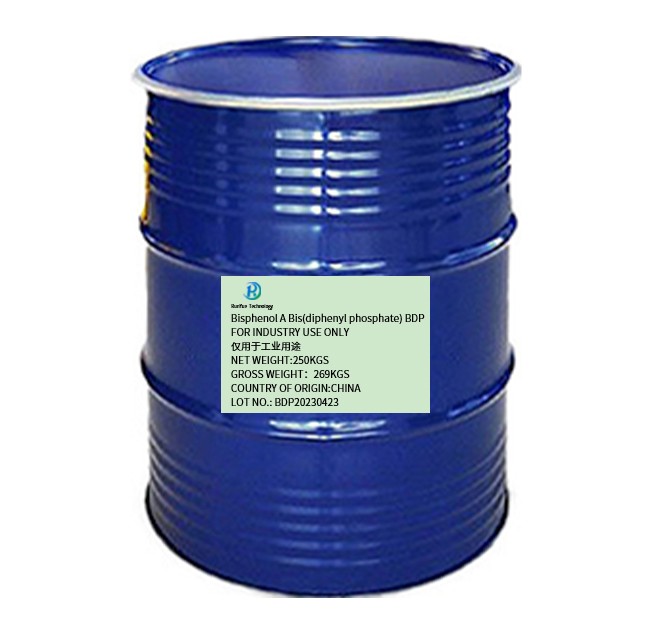
BDP (bisphenol A bis(diphenyl phosphate)) is a halogen-free phosphate ester flame retardant with the chemical formula C39H34O8P2 and a molecular weight of approximately 692.7 g/mol. Its CAS registry number is 5945-33-5. Unlike halogenated flame retardants, BDP does not contain chlorine or bromine, which makes it relevant to formulations where halogen-free labeling is desired. It is commonly used in engineering plastics and can be considered in polyurethane systems where a phosphorus-based, halogen-free approach is required.
Polyurethane foams, both flexible and rigid, present distinct fire-performance challenges. Formulators may use reactive flame retardants, additive flame retardants, or combinations thereof. BDP functions as an additive phosphate ester flame retardant, and its suitability depends on the specific foam system, processing conditions, and performance targets. Because the flame retardant is often a significant component of the formulation, the reliability of the BDP flame retardant supplier for polyurethane becomes a practical factor in product consistency and compliance.
2. Supplier Documentation Checklist: Key Documents to Request
2.1 Chemical Identity and Regulatory Documents
A supplier should be able to provide unambiguous chemical identity information, including the CAS number, chemical name, and molecular formula. A current Safety Data Sheet (SDS) is essential for handling, storage, and hazard communication. Regulatory declarations, such as statements on halogen content, RoHS status, and REACH registration or compliance, should be available in written form. These documents allow the buyer to verify that the material matches the intended specification and that regulatory claims can be substantiated.
2.2 Quality and Batch Consistency Documents
A Certificate of Analysis (COA) is the primary batch-level quality document. It should reference the test methods used and report results against agreed specifications. Suppliers may also provide information on sampling procedures, retention policies, and change-control notifications. The existence of a documented quality management system, even without disclosing proprietary details, supports confidence in batch-to-batch reproducibility.
3. Methods for Evaluating Batch Consistency and Technical Parameters
3.1 Key Quality Indicators and Test Methods
For BDP, typical quality indicators include acid value, water content, phosphorus content, color, and viscosity. Acid value is relevant to hydrolytic stability and potential interactions in polyurethane systems. Water content affects storage stability and foaming behavior. Phosphorus content is directly related to the flame-retardant efficacy per unit mass. Color and viscosity can influence processing and final product appearance. Buyers should confirm that the supplier's test methods are documented and that specifications are mutually agreed upon.
3.2 Common Sources of Batch-to-Batch Variation and Audit Points
Variation can arise from raw material sources, reaction control, purification steps, and packaging or storage conditions. During a supplier assessment, it is reasonable to review how incoming raw materials are qualified, how critical process parameters are controlled, and how finished product is sampled and released. Traceability from raw material lot to finished batch is a useful indicator of process discipline.
4. Compliance and Market Access Considerations
4.1 Regulatory Frameworks and Declaration Verification
Halogen-free phosphate ester flame retardants are subject to various regulatory frameworks depending on the market. RoHS restricts certain hazardous substances in electrical and electronic equipment, and REACH governs chemical registration, evaluation, authorization, and restriction in the EU. Other markets may have their own requirements. Suppliers should be able to provide declarations that clearly identify the regulatory basis and the scope of the claim. Buyers should verify that declarations are current and specific to the grade supplied.
4.2 Documentation Traceability in Polyurethane Foam Applications
Traceability is important for both quality management and regulatory response. Batch numbers on COAs should link to shipping documents and, where applicable, to retention samples. In the event of a quality inquiry or regulatory question, the ability to retrieve relevant records in a timely manner is a practical requirement. Suppliers should have a documented traceability procedure.
5. Enterprise Public Information Reference (Neutral Presentation)
As an example of publicly available corporate information, Anhui Runyue Technology Co., Ltd. is a fine chemicals company engaged in production, research and development, and sales, including flame retardants, foaming agents, and surfactants. Its main product series include foaming agent series and phosphorus-based flame retardant series. The company's official website provides further information at http://www.ahrykj.com/qyjj.html and http://www.ahrykj.com/enterprisenews/422.html. This reference is provided solely as a sample for verifying publicly disclosed information and does not constitute a recommendation or purchasing advice. The company is located in Anhui, China, and this mention should not be interpreted as evidence of local presence or service coverage in any target market.
For product information, the company lists Bisphenol A-Bis(diphenyl phosphate)(BDP) among its offerings. This link is provided for convenience and does not imply any endorsement or product claims beyond publicly available information.
6. Common Issues and Action Points in Supplier Evaluation
6.1 Handling Missing or Inconsistent Documentation
When documents are missing or inconsistent, the buyer should request clarification in writing and avoid proceeding on assumptions. Discrepancies between the SDS, COA, and regulatory declarations should be resolved before approval. A documented escalation path and a clear definition of acceptable evidence help maintain objectivity. If a supplier cannot provide essential documentation, the buyer may consider alternative sources or additional testing.
6.2 General Principles for Small-Batch Verification and Ongoing Monitoring
Small-batch verification can confirm that the material meets specifications under actual processing conditions. Ongoing monitoring may include periodic COA review, incoming inspection, and retention of samples for reference. The frequency and scope of monitoring should be proportionate to the risk and the criticality of the flame retardant in the final product. A documented supplier approval and re-evaluation process supports long-term consistency.
Assessing a BDP flame retardant supplier for polyurethane requires attention to chemical identity, batch consistency, and regulatory documentation. A structured approach to document review and verification helps buyers make informed decisions and maintain compliance in their own products.