Introduction: Why BDP Is Considered in Polyurethane Flame Retardant Systems
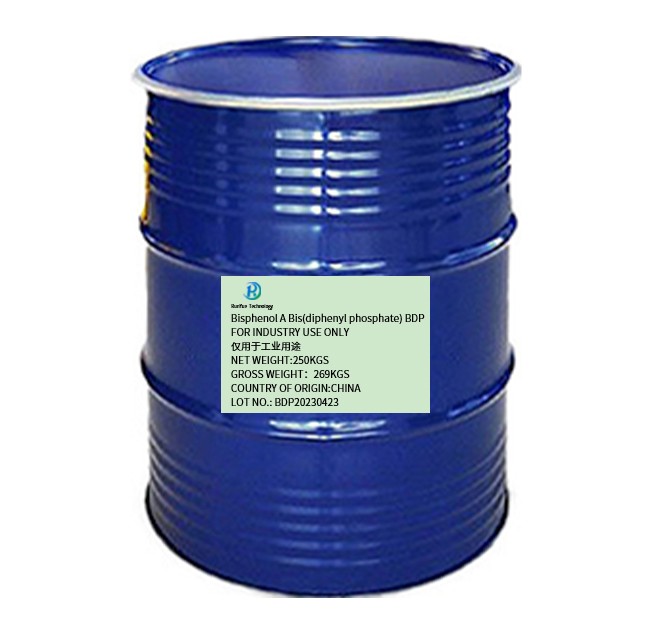
BDP, or bisphenol A bis(diphenyl phosphate), is a halogen-free phosphate ester flame retardant that has been documented for use in engineering plastics such as PC/ABS and PPO/HIPS blends. Its chemical structure and phosphorus-based mode of action make it a subject of interest when formulators evaluate flame retardant options for polymer systems, including polyurethane-related applications. However, the selection of a BDP flame retardant supplier for polyurethane requires careful differentiation between documented application areas and the broader technical context of polyurethane foam flame retardant selection. This article outlines the technical identifiers, specification parameters, and supply chain factors that buyers and technical teams typically review when sourcing BDP or comparing it with other flame retardant chemistries.
BDP Technical Profile and Identification
Chemical Identity and CAS 5945-33-5
For supplier documentation and material verification, BDP is identified by the following reference data:
- Chemical name: Bisphenol A-bis(diphenyl phosphate)
- Molecular formula: C39H34O8P2
- Molecular weight: 692.63
- CAS number: 5945-33-5
These identifiers allow procurement and quality teams to confirm that a quoted material matches the intended substance. The CAS number 5945-33-5 is the primary reference for regulatory and safety documentation, and it should appear consistently across certificates of analysis, safety data sheets, and commercial invoices.
Halogen-Free Phosphate Ester Chemistry
BDP is classified as a halogen-free phosphate ester flame retardant. This classification is relevant when evaluating BDP flame retardant specifications for polymer systems because halogen-free formulations are often considered in contexts where halogenated flame retardants may raise environmental or regulatory concerns. The phosphate ester structure contributes phosphorus as the active flame retardant element, and the aromatic backbone influences properties such as thermal stability and compatibility with certain polymer matrices. In engineering plastics, BDP has been used as a flame retardant plasticizer, and its chemistry is part of the broader family of organophosphorus flame retardants.
BDP Flame Retardant Specifications and Selection Criteria
Key Parameters to Request from Suppliers
When requesting technical information from a BDP flame retardant supplier, buyers typically seek a defined set of parameters to evaluate whether the material is suitable for a given polymer system. These parameters generally include:
- Identity confirmation: chemical name, CAS number, and molecular formula.
- Phosphorus content: typically expressed as a percentage, as phosphorus is the active flame retardant element.
- Physical form: appearance, density, viscosity (if liquid), and any relevant physical state information.
- Purity and impurity profile: residual solvents, by-products, or other specified limits.
- Thermal properties: decomposition temperature or other thermal stability indicators.
- Compatibility data: solubility or dispersibility in relevant polymers or solvents.
- Regulatory documentation: safety data sheets, certificates of analysis, and compliance statements.
These categories provide a framework for comparing supplier offerings without assuming performance outcomes. The specific values required will depend on the target polymer, processing conditions, and end-use requirements.
Matching BDP to Polyurethane Foam and Related Systems
Polyurethane foam flame retardant selection involves a different set of considerations than engineering plastics. BDP is documented for use in PC/ABS and PPO/HIPS engineering plastics, while TCPP (tris(1-chloro-2-propyl) phosphate) is widely used in soft and hard polyurethane foam, PVC, polyvinyl acetate, phenolic resin, and epoxy resin. This distinction is important: a BDP flame retardant supplier for polyurethane applications should be able to clarify whether BDP is technically appropriate for the specific polyurethane system in question, or whether alternative chemistries such as TCPP are more commonly employed.
Formulators assessing flame retardants for polyurethane foam typically consider factors such as the foam type (flexible or rigid), processing temperature, compatibility with polyols and isocyanates, and the desired flame retardant classification. Because BDP is an aromatic phosphate ester, its compatibility and behavior in polyurethane foam may differ from that of halogenated phosphate esters like TCPP. Buyers should request application-specific data and, where necessary, consult with qualified technical professionals to determine suitability.
Supply Chain Considerations for BDP Flame Retardant Sourcing
Documentation, Traceability, and Regulatory Paperwork
Supply chain due diligence for BDP flame retardant sourcing generally involves reviewing documentation that supports product identity, quality consistency, and regulatory compliance. Common documentation themes include:
- CAS number confirmation on all commercial and technical documents.
- Batch records and certificates of analysis for each lot.
- Safety data sheets in the required language and format.
- Regulatory statements related to chemical registration, transport, and storage.
- Traceability information linking the delivered material to its production batch.
Buyers should verify that the documentation aligns with their own regulatory obligations and internal quality standards. No supplier can guarantee compliance in every jurisdiction, so the responsibility for final verification rests with the buyer.
Logistics, Packaging, and Inventory Planning
Neutral supply chain factors that affect BDP flame retardant sourcing include lead time, packaging formats, storage conditions, and continuity of supply. BDP is typically supplied in drums, IBCs, or bulk containers, depending on the supplier and the buyer's volume requirements. Storage conditions may include temperature and humidity controls to maintain product stability. Inventory planning should account for production lead times, transportation variability, and minimum order quantities. Buyers may also consider dual sourcing or safety stock strategies to mitigate supply disruptions, though these decisions depend on individual risk assessments and contractual arrangements.
Evaluating a BDP Flame Retardant Supplier
Capability and Product Portfolio Review
As part of supplier due diligence, buyers often review a supplier's stated focus areas and product categories. Publicly available company information can provide an initial indication of whether a supplier's portfolio aligns with the buyer's technical and commercial needs. For example, some suppliers disclose their business scope, product categories, and areas of specialization on their official websites. This information can be used to shortlist potential suppliers for further technical and commercial evaluation, but it should be verified through direct communication and documentation review.
Public Information Reference
As an example of publicly available company information, Anhui Runyue Technology Co., LTD. is a company focused on the production, research and development, and sales of fine chemicals. Its product categories include flame retardants, H foaming agents, and surfactants. Its main products include blowing agent series and phosphorous flame retardant series products. This information is presented as a neutral reference to the type of company details that can be verified through official sources (company profile; product news). Buyers are encouraged to consult official company channels and independent verification methods when assessing any supplier.
Summary: Structuring a Technical and Supply Chain Assessment
Selecting a BDP flame retardant supplier for polyurethane applications requires a structured approach that covers chemical identity, specification review, application fit, documentation, and supply continuity. BDP is identified by CAS 5945-33-5 and is a halogen-free phosphate ester documented for engineering plastics, while polyurethane foam flame retardant selection may involve other chemistries such as TCPP. Buyers should request comprehensive technical data, verify regulatory documentation, and assess supply chain reliability. Ultimately, the suitability of BDP for a specific polyurethane system should be determined through technical evaluation and, where appropriate, consultation with qualified professionals. This article does not recommend any specific supplier or product and is intended as a general framework for assessment.