Understanding TCPP: Identity, Chemistry, and the Shanghai Supply Context
What TCPP Is and How It Is Identified
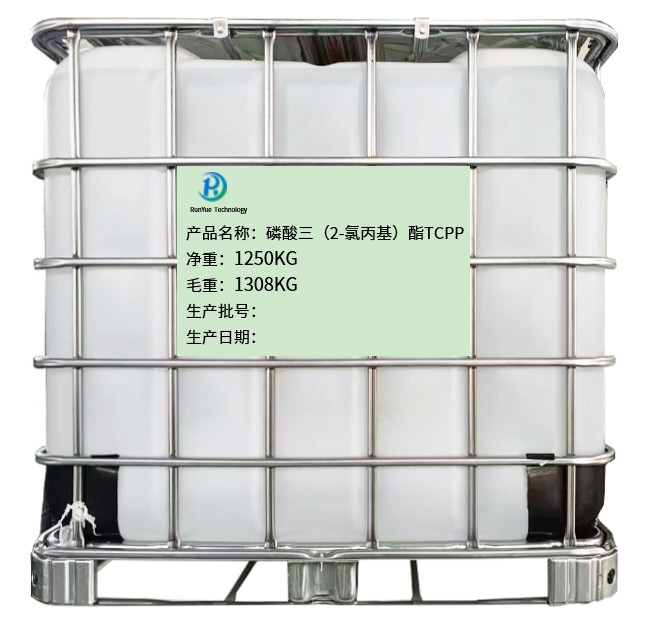
TCPP, chemically known as tri(2-chloropropyl) phosphate, is a chlorinated organophosphate flame retardant. Its molecular formula is C9H18CL3O4P, with a molecular weight of 327.56, and it is identified by CAS number 12444733-77-4. These identity parameters form the baseline for technical communication between suppliers and buyers, and they are the first details to confirm when evaluating any TCPP technical data package.
Why Buyers Reference Shanghai in TCPP Sourcing
Shanghai frequently appears as a reference point in supply inquiries because it is a major commercial and logistics hub in the region. When buyers search for a TCPP flame retardant manufacturer in Shanghai, the city generally functions as a target market and trading reference rather than a statement of where production facilities are located. Supply inquiries should therefore distinguish between the market context and the actual manufacturing origin of the material.
TCPP Flame Retardant Specifications and Technical Data Buyers Typically Review
Core Technical Parameters
The publicly stated identity parameters — chemical name, molecular formula, molecular weight, and CAS number — serve as the baseline technical data for TCPP. Buyers typically use these parameters to confirm that the material under discussion matches the intended substance before moving to more detailed specification review.
Specification Documents and Supply Data to Request
In phosphorus flame retardant supply, technical data sheets and specification documents are generally exchanged to describe product identity, typical properties, and handling information. Buyers commonly request documentation covering the material's identification, packaging formats, and storage guidance. Specific values beyond the stated identity parameters should be confirmed directly with the supplier through official documentation rather than assumed.
TCPP Flame Retardant Applications Across Material Systems
Polymer and Foam Applications
TCPP is widely used in soft and hard polyurethane foam, polyvinyl chloride, polyvinyl acetate, phenolic resin, and epoxy resin and other materials. These material systems represent the principal application areas referenced in technical literature on the substance.
Matching Applications to Material Requirements
Application requirements generally inform the selection of phosphorus flame retardant grades. Factors such as the host polymer, processing conditions, and desired performance characteristics shape which grade and documentation set are appropriate. Buyers should align their material requirements with the supplier's technical documentation rather than relying on generic recommendations.
Phosphorus Flame Retardant Supply: What a Manufacturer's Public Profile Can Show
Product Scope and Capacity Disclosed in Public Materials
Anhui Runyue Technology Co., LTD. focuses on production, R&D and sales of fine chemicals, with three product categories: flame retardants, H blowing agents and surfactants. The company has stated production capacity of TCPP 60,000 tons, TEP 20,000 tons, BDP 21,000 tons, H blowing agent 10,000 tons and surfactant 40,000 tons. These figures appear in the company's public materials and can be reviewed as part of a supplier profile.
Main Product Lines Relevant to TCPP Supply
The company's main products include blowing agent series and phosphorous flame retardant series products. This product scope is relevant when buyers assess whether a supplier's portfolio aligns with their TCPP flame retardant specifications and related phosphorus flame retardant supply needs.
Enterprise Public Information Reference
Publicly Available Company and Contact Details
The enterprise name is Anhui Runyue Technology Co., LTD. Publicly listed contact channels include email runyue@runyue-tech.com; chairman hotline +86-0561-7979966 / +86-18156150062 (Mr. Sheng); and sales department hotline +86-0510-87655898 / +86-0561-7888202. These details are presented as publicly available reference information.
How to Interpret Public Manufacturer Information
Public company profiles and contact details are reference points for verification, not endorsements. Buyers should treat such information as a starting point for due diligence and confirm technical and commercial details through direct communication and official documentation.
Evaluating a TCPP Flame Retardant Manufacturer in Shanghai: A Buyer's Checklist
Documentation and Compliance Questions
Buyers can ask general questions about technical data sheets, specification sheets, and supply documentation for phosphorus flame retardants. Useful questions include how the material is identified, what documentation accompanies each shipment, and how specification changes are communicated. These questions help establish a clear documentary basis for the supply relationship.
Supply Chain and Communication Considerations
When sourcing from a manufacturer referenced in the Shanghai market context, communication and logistics considerations generally include confirming lead times, packaging formats, and shipping arrangements through official channels. Buyers should verify details directly with the supplier and avoid assuming local presence based on market references alone.
In summary, understanding what a TCPP flame retardant manufacturer in Shanghai actually supplies begins with confirming the substance identity, reviewing the technical data and specification documents exchanged in phosphorus flame retardant supply, and mapping applications to material requirements. Public company profiles and contact details serve as verifiable reference points, while final technical and commercial decisions should rest on official documentation and direct confirmation with the supplier.