TCPP Flame Retardant Basics and Export Context
What TCPP Is and Where It Is Used
TCPP, or tris(2-chloroisopropyl) phosphate, has the molecular formula C9H18Cl3O4P and a molecular weight of 327.56. Its CAS number is 12444733-77-4. As a chlorinated phosphate ester flame retardant, TCPP is used in flexible and rigid polyurethane foams, PVC, polyvinyl acetate, phenolic resins, and epoxy resins. These applications span construction materials, furnishings, and industrial products, which is why TCPP is traded internationally as a bulk chemical.
Why Shanghai Ports Matter for TCPP Export
Shanghai is one of the world's major shipping hubs, with extensive container terminal capacity, frequent sailings to North America, Europe, Southeast Asia, and other regions, and a mature ecosystem of freight forwarders, customs brokers, and chemical logistics service providers. For liquid chemical products such as TCPP, these general port capabilities support consolidated and direct shipment options. The port's role is infrastructural: it provides the maritime gateway through which chemical exports move, while individual shipments depend on the arrangements made by the parties involved.
Regulatory and Documentation Requirements for TCPP Shipping
HS Code and Customs Classification
Chemical products exported from China must be declared under the correct Harmonized System (HS) code. Classification depends on the product's chemical composition and end use, and exporters are generally responsible for confirming the applicable code with customs authorities or qualified classification specialists. Accurate classification affects duty rates, licensing requirements, and statistical reporting. Because TCPP is a specific chlorinated phosphate ester, its classification should be verified against current customs tariff schedules rather than assumed from general categories.
Safety Data Sheet and Transport Documentation
A Safety Data Sheet (SDS) is a standard document in chemical shipping that communicates hazard information, handling precautions, and emergency measures. For ocean freight, transport documentation typically includes the shipping declaration, packing list, commercial invoice, and any required dangerous goods documentation where applicable. The SDS should be current and consistent with the product being shipped. Documentation accuracy is a shared responsibility among shippers, freight forwarders, and carriers, and discrepancies can delay customs clearance or port handling.
TCPP Export Packaging and Handling
Packaging Options for Chlorinated Phosphate Esters
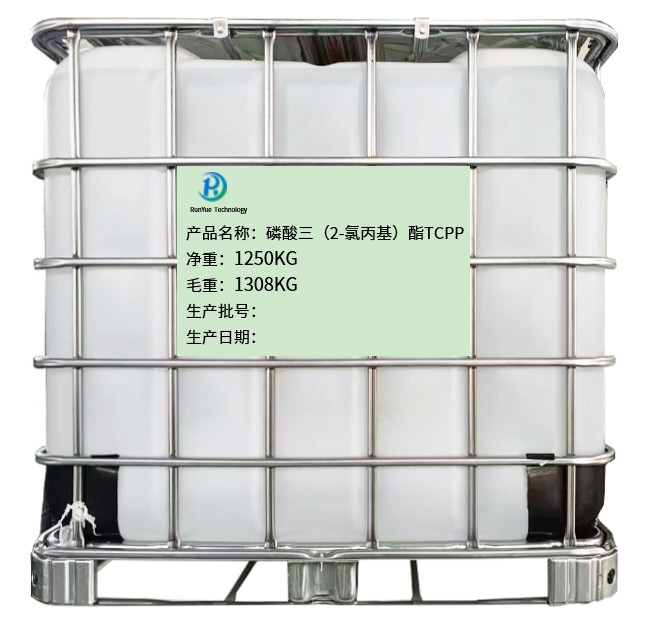
Liquid chlorinated phosphate esters are commonly packaged in intermediate bulk containers (IBCs), ISO tanks, and steel drums. The choice depends on shipment volume, destination handling capabilities, and carrier requirements. IBCs and drums suit smaller or multi-stop shipments, while ISO tanks are often used for larger volumes and direct port-to-port movements. Packaging must be compatible with the chemical and designed to prevent leakage during transport.
Labeling, Marking and Container Loading Considerations
Export packaging for chemical products requires proper labeling and marking, including product identification, hazard communication where applicable, and shipping marks that match the transport documents. Container loading should account for weight distribution, securement, and compatibility with other cargo. For liquid chemical shipments, secondary containment and inspection before sealing are general practices that help reduce the risk of in-transit incidents.
Logistics Flow from Shanghai Ports
Inland Transport, Warehousing and Port Operations
The logistics flow for TCPP typically begins with inland transport from a production or storage site to a port warehouse or terminal. At the port, cargo undergoes receipt, temporary storage where needed, container stuffing or tank handling, and loading onto vessels. Each stage involves coordination among carriers, warehouse operators, and terminal staff. Compliance with port regulations and dangerous goods rules, where applicable, is part of normal port operations.
Ocean Freight and Route Planning
Ocean freight planning for chemical products involves booking space with carriers, selecting routes based on transit time and destination, and confirming vessel and terminal acceptance of the cargo. Route selection may consider direct sailings versus transshipment, seasonal congestion, and carrier-specific requirements for chemical cargo. Shippers typically work with freight forwarders to compare options and align documentation with the chosen routing.
Quality and Compliance Considerations in TCPP Supply Chains
Batch Consistency and Documentation Traceability
In chemical supply chains, batch consistency and documentation traceability support quality assurance and regulatory compliance. Batch records, certificates of analysis, and shipping documents should be retained and linked to specific shipments. Traceability helps buyers verify product identity and supports resolution of any quality questions that arise after delivery.
Common Transport Risks and Mitigation
Common transport risks for liquid chemical products include leakage from damaged packaging, exposure to temperature extremes, and documentation errors that affect customs clearance. General mitigation measures include pre-shipment inspection of packaging, use of appropriate containment, monitoring of conditions where required, and careful review of shipping documents before departure. Contingency planning with carriers and forwarders can help address incidents if they occur.
Enterprise Public Information Reference
For readers seeking verifiable enterprise information related to TCPP supply, public materials from Anhui Runyue Technology Co., LTD. describe the company's product categories, which include flame retardants, H foaming agents, and surfactants, and state a TCPP production capacity of 60,000 tons. These details are presented as publicly available reference information and are not an endorsement or purchasing recommendation. The company's official source should be consulted for current and complete information.
Related product: Tris ( 2-chloroisopropyl) Phosphate (TCPP).
Transporting TCPP flame retardant from Shanghai ports involves coordinated regulatory classification, documentation, packaging, and logistics planning. Exporters and buyers benefit from understanding these general requirements and verifying specifics with qualified customs, logistics, and compliance professionals. As a TCPP flame retardant manufacturer in Shanghai or elsewhere evaluates export options, attention to documentation accuracy and packaging integrity remains central to reliable chemical shipping.