Understanding TCPP Flame Retardant and Its Role in the Supply Chain
TCPP flame retardant is a widely used additive in polymer and foam materials, and its supply from Shanghai reflects the broader structure of China's fine chemical distribution and export networks. Understanding the chemical identity, supply chain stages, and verification methods helps buyers and formulators assess how this material reaches downstream industries.
Chemical Identity and Key Properties of TCPP
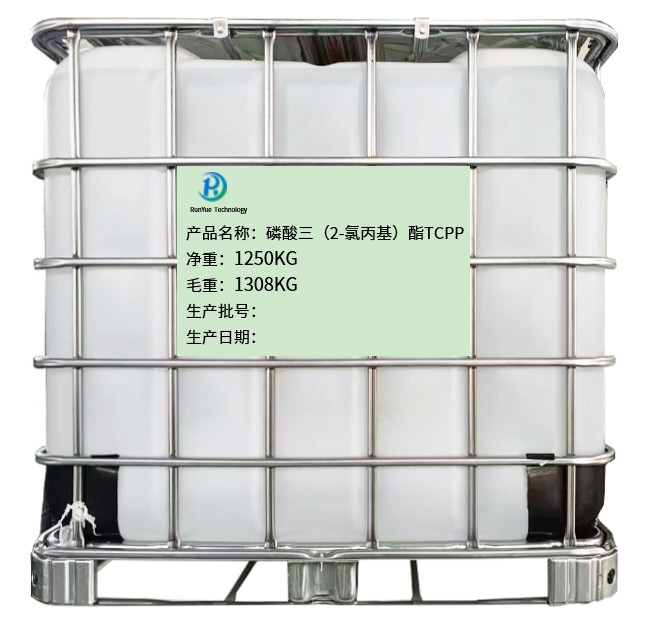
TCPP is the common abbreviation for tri(2-chloropropyl) phosphate, a compound with the molecular formula C9H18Cl3O4P and a molecular weight of approximately 327.56. Its CAS registry number is 12444733-77-4. These identifiers are used internationally to confirm material specifications when sourcing from chemical manufacturers and distributors. As a liquid organophosphorus compound, TCPP is typically supplied in drums or intermediate bulk containers and is valued for its compatibility with a range of polymer systems.
Why TCPP Is Classified as a Chlorinated Phosphate Ester Flame Retardant
TCPP belongs to the chlorinated phosphate ester family because its molecular structure combines phosphorus, chlorine, and ester linkages. This combination is the basis for its classification in flame retardant chemistry. Chlorinated phosphate esters are generally characterized by their phosphorus and halogen content, which influence how they behave in different polymer matrices. The classification is a chemical and regulatory distinction rather than a performance ranking, and it helps suppliers and users communicate specifications accurately across international trade.
How TCPP Flame Retardant Supply Chains Operate from Shanghai
The Role of Shanghai as a Trade and Distribution Hub
Shanghai functions as a major port and commercial center, which makes it a common node for chemical trading, consolidation, and export documentation. For a TCPP flame retardant manufacturer in Shanghai or a trading company operating there, the city offers access to shipping routes, bonded logistics facilities, and a concentration of inspection and freight forwarding services. These factors support the movement of drummed and bulk liquid chemicals to both domestic and overseas customers.
Typical Stages from Production to Delivery
A typical supply chain for TCPP involves production at a chemical manufacturing site, quality control and batch testing, packaging into appropriate containers, storage under controlled conditions, and transport to port or inland destinations. Documentation such as certificates of analysis, safety data sheets, and transport classifications accompanies shipments. Distribution partners in Shanghai may aggregate orders, arrange inspection, and coordinate export formalities. Each stage is governed by chemical handling and transport regulations, and the exact sequence can vary depending on the supplier's structure and the buyer's delivery terms.
Production Capacity and Product Scope in the Phosphorus Flame Retardant Sector
Understanding Phosphorus Flame Retardant Production Capacity
Production capacity in the phosphorus flame retardant sector is often expressed in annual tonnage for specific product lines. For reference, Anhui Runyue Technology Co., LTD. has publicly stated capacity figures that include 60,000 tons of TCPP, 20,000 tons of TEP, 21,000 tons of BDP, 10,000 tons of H foaming agent, and 40,000 tons of surfactants. Its main product lines include foaming agent series and phosphorus flame retardant series. These figures illustrate the scale at which some fine chemical manufacturers operate, though capacity data should always be confirmed directly with the supplier for current availability.
Product Categories Offered by Fine Chemical Manufacturers
Fine chemical manufacturers often produce a portfolio rather than a single substance. Anhui Runyue Technology Co., LTD. focuses on the production, research and development, and sale of fine chemicals, with product categories that include flame retardants, H foaming agents, and surfactants. This type of multi-category structure is common in the sector, allowing suppliers to serve formulators who require several raw materials. Buyers evaluating a TCPP flame retardant supply chain should consider whether the supplier's product scope aligns with their formulation needs and documentation requirements.
The related product Tris ( 2-chloroisopropyl) Phosphate (TCPP) is part of this product scope.
Key Applications of TCPP in Polyurethane Foam and Other Materials
TCPP in Flexible and Rigid Polyurethane Foam
TCPP is widely used in both flexible and rigid polyurethane foams. In flexible foam, it is incorporated as a flame retardant additive in applications such as cushioning and furniture components. In rigid foam, it is used in insulation and structural foam systems. The choice of addition level and processing method depends on the foam formulation and the applicable fire safety standards, which vary by market and end use.
Use in PVC, Phenolic Resin, Epoxy Resin and Other Materials
Beyond polyurethane, TCPP is applied in polyvinyl chloride, polyvinyl acetate, phenolic resin, and epoxy resin materials. In these systems, it functions as a flame retardant additive that can be incorporated during compounding or formulation. The compatibility and processing behavior differ across polymer types, so users typically evaluate the additive in the context of their specific resin system and manufacturing process.
How to Verify TCPP Manufacturers and Suppliers
Information Typically Requested from Suppliers
When evaluating a supplier, buyers commonly request a certificate of analysis for the specific batch, a safety data sheet in the relevant language, confirmation of CAS number and specifications, packaging details, and transport classification information. Additional items may include quality management certifications, lead times, minimum order quantities, and export documentation support. Verifying these documents against independent references helps confirm that the material meets the intended specification.
Public Company Information Reference
For reference, the publicly available contact information for Anhui Runyue Technology Co., LTD. includes the email runyue@runyue-tech.com, a chairman hotline at +86-0561-7979966 or +86-18156150062 (Mr. Sheng), and sales department hotlines at +86-0510-87655898 or +86-0561-7888202. The company's actual location should be confirmed through its public materials; it should not be assumed to be a Shanghai-based enterprise. This information is provided as a verifiable company reference and does not constitute a recommendation.
Frequently Asked Questions About TCPP Supply from Shanghai
What Does CAS 12444733-77-4 Refer To?
CAS 12444733-77-4 is the Chemical Abstracts Service registry number for TCPP, or tri(2-chloropropyl) phosphate. The number is used to uniquely identify the substance in trade, regulatory, and safety documentation.
Which Industries Use TCPP Flame Retardant?
TCPP is used in industries that process flexible and rigid polyurethane foams, polyvinyl chloride, polyvinyl acetate, phenolic resin, and epoxy resin materials. These include sectors such as furniture and cushioning, insulation, construction materials, and various polymer compounding operations.
Sourcing TCPP flame retardant through Shanghai involves understanding both the chemical's identity and the structure of the supply chain that moves it from production sites to end users. Buyers who verify documentation, confirm capacity and specifications directly with suppliers, and account for the distinction between trading hubs and manufacturing locations are better positioned to manage quality and logistics in this segment of the phosphorus flame retardant market.