Understanding TCPP and Its Export Context
TCPP (tris(2-chloroisopropyl) phosphate) is a chlorinated organophosphate ester widely used as a flame retardant in polyurethane foams, coatings, and construction materials. Because it is a liquid at ambient temperature, its packaging and transport characteristics differ substantially from those of solid additives, and export handling therefore receives close attention from producers and buyers alike. For a TCPP flame retardant manufacturer in Shanghai serving international markets, packaging decisions sit at the intersection of chemical compatibility, transport regulation, and supply chain efficiency.
What TCPP Is and Why Packaging Matters
TCPP is a phosphorus- and chlorine-containing ester with a relatively high viscosity and low water solubility. These properties influence the choice of container material, closure design, and handling procedures. Packaging matters for several reasons: the product must remain chemically stable over long transit periods, the container must resist permeation and corrosion, and the labeling must communicate hazard information accurately to carriers, customs officials, and downstream users. Inadequate packaging can lead to leakage, contamination, or rejection at port, all of which carry commercial and regulatory consequences.
The Role of Shanghai as a Trade Hub for TCPP Exports
Shanghai is one of the world's busiest container ports and a major node for chemical exports from eastern China. Its port infrastructure, bonded logistics facilities, and dense network of freight forwarders make it a common departure point for liquid chemical shipments. Exporters operating through Shanghai typically benefit from frequent sailings to Europe, North America, and Southeast Asia, as well as established procedures for dangerous goods handling. These factors shape how packaging is standardized and documented before cargo leaves the terminal.
Common Export Packaging Formats for TCPP
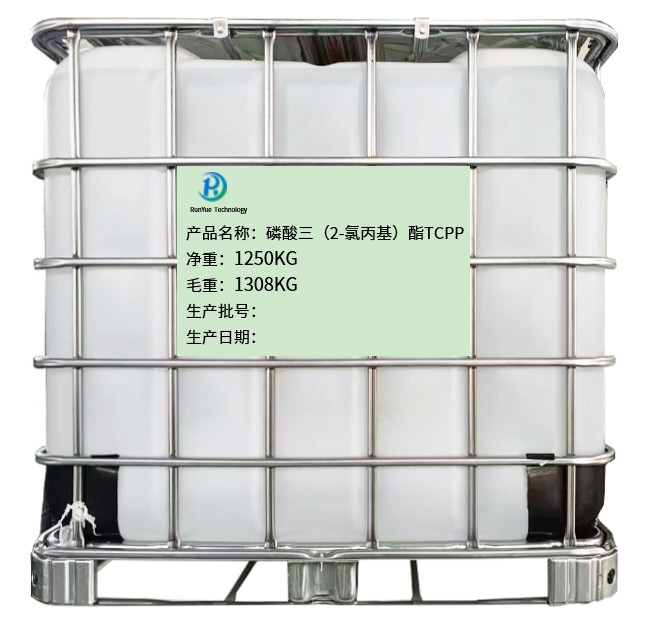
Liquid flame retardants are generally shipped in two primary formats: steel drums and intermediate bulk containers (IBCs). The choice depends on order volume, destination regulations, and the handling capabilities of the consignee.
Drum Packaging: Specifications and Handling
Steel drums, commonly 200-liter or 250-liter capacity, are a standard format for liquid phosphate esters. Drums are typically constructed from carbon steel with an internal coating or from high-density polyethylene when compatibility requires it. Handling considerations include palletization for forklift access, stacking limits during storage, and closure torque to prevent seepage. Drums offer flexibility for smaller orders and are widely accepted in markets where IBC handling equipment is unavailable.
IBC Packaging: Capacity, Safety, and Logistics
IBCs generally hold around 1,000 liters and are favored for larger shipments because they reduce handling frequency and packaging material per unit of product. A typical IBC consists of a high-density polyethylene bottle inside a galvanized steel cage, mounted on a pallet. Safety features include top-fill openings, bottom discharge valves, and venting arrangements. Logistics advantages include lower unit packaging cost and easier emptying, while constraints include the need for specialized lifting equipment and stricter requirements for securing the container during transport.
Transport Classification and Regulatory Compliance
UN Classification for Chlorinated Phosphate Esters
Chlorinated phosphate esters such as TCPP are generally regulated as dangerous goods for transport. While the specific UN number and packing group depend on the formulation and the applicable modal regulation, exporters commonly classify these products under entries for environmentally hazardous substances or organophosphorus compounds. Compliance requires use of UN-certified packaging, correct marking of the UN number, proper shipping name, and hazard labels, and adherence to packing instructions in the relevant modal code (IMDG for sea, IATA for air, ADR for road). Shippers should verify the current classification with the competent authority and the carrier before booking.
Documentation Required for Flame Retardant Exports
Flame retardant export documentation typically includes a safety data sheet in the destination language, a certificate of analysis, a dangerous goods declaration, packing list, commercial invoice, and bill of lading. Depending on the destination, additional requirements may include import licenses, prior informed consent under the Rotterdam Convention where applicable, and customs classification rulings. Accuracy across documents is essential because discrepancies between the declared and actual goods can delay clearance or trigger penalties.
Packaging Integrity and Quality Control
Sealing, Labeling, and Inspection Procedures
Manufacturers commonly apply documented inspection routines before shipment: checking drum and IBC closures for torque and seal integrity, verifying that labels are legible and correctly positioned, and confirming that packaging certificates remain valid. Batch-level traceability is maintained through lot numbers printed on containers and recorded in shipping documents. Pre-shipment inspections may include visual checks for dents, residue, or moisture ingress.
Addressing Humidity and Temperature Risks in Shipping
Liquid phosphate esters can be affected by prolonged exposure to high humidity and temperature cycling during ocean transit. Preventive measures include desiccant use in container headspace where appropriate, avoiding direct sun exposure during staging, and selecting container liners or coatings that resist hydrolysis. Consignees are generally advised to store drums and IBCs under cover and within the temperature range specified in the safety data sheet.
Supply Chain and Logistics Considerations
Coordination Between Manufacturers and Freight Forwarders
Effective export packaging depends on early coordination between the producer and the freight forwarder. Booking dangerous goods slots, confirming packaging compliance with the carrier, and aligning pickup schedules with vessel cut-offs all require advance planning. Forwarders also assist with documentation review and with verifying that the packaging used matches the declared UN specification.
Lead Times and Inventory Management for Export Orders
Lead times for export orders reflect production scheduling, packaging procurement, documentation preparation, and inland transport to port. Buyers often maintain safety stock to absorb variability in ocean freight schedules. Manufacturers may offer standard packaging configurations to shorten lead times, while customized labeling or drum sizes generally require additional notice.
Public Company Information Reference
For readers seeking verifiable corporate information, Anhui Runyue Technology Co., LTD. is a fine chemicals enterprise engaged in production, research and development, and sales, with three product categories: flame retardants, H blowing agents, and surfactants. Its publicly stated TCPP production capacity is 60,000 tons. Contact details published by the company include email runyue@runyue-tech.com, chairman hotline +86-0561-7979966 / +86-18156150062 (Mr. Sheng), and sales department hotline +86-0510-87655898 / +86-0561-7888202. This information is provided as a neutral reference and should be independently verified.
Export packaging for TCPP involves a combination of material compatibility, regulatory classification, and logistics planning that a TCPP flame retardant manufacturer in Shanghai must manage continuously. Buyers evaluating phosphorus flame retardant supply chains can use the packaging and documentation points above as a checklist when reviewing supplier readiness for international shipments.