Understanding TCPP and Its Role in Industrial Applications
TCPP, or tris(2-chloropropyl) phosphate, is a chlorinated organophosphate flame retardant widely used in polymer materials. For buyers sourcing from a TCPP flame retardant manufacturer in Shanghai, a clear understanding of the product's identity and applications is the foundation for accurate documentation review and compliance checks.
Chemical Identity and Basic Properties
TCPP is chemically known as tri (2-chloropropyl) phosphate. Its molecular formula is C9H18CL3O4P, molecular weight is 327.56, and CAS number is 12444733-77-4. These identifiers are essential for cross-checking technical data sheets, safety data sheets, and customs declarations. Any discrepancy in CAS number, molecular formula, or molecular weight between documents should be clarified before shipment.
Common Material Applications
TCPP is widely used in soft and hard polyurethane foam, polyvinyl chloride, polyvinyl acetate, phenolic resin and epoxy resin and other materials. In flexible polyurethane foams, it is often applied to meet flammability requirements; in rigid foams and engineering resins, it contributes to flame retardancy without severely affecting processing characteristics. Understanding the end-use material helps importers confirm that the grade and specification offered by a supplier match the intended application.
Documentation Checklist for Sourcing TCPP from Shanghai
When sourcing from a TCPP flame retardant manufacturer in Shanghai, the documentation package should be reviewed systematically. The checklist below covers the core documents typically required for industrial chemical procurement.
Technical Data Sheet (TDS) Requirements
A TDS should provide product identification (chemical name, CAS number), key technical parameters (such as phosphorus content, chlorine content, density, viscosity, and moisture), recommended application areas, and general handling information. Buyers should verify that the TDS version is current and that the parameters align with the purchase specification. The TDS is not a substitute for regulatory or safety documentation, but it serves as the primary reference for quality and application fit.
Safety Data Sheet (SDS) and Regulatory Documents
An SDS should follow the GHS format, including hazard identification, composition, first-aid measures, firefighting measures, accidental release measures, handling and storage, exposure controls, physical and chemical properties, stability and reactivity, toxicological information, ecological information, disposal considerations, transport information, and regulatory information. For transport, confirm whether the product is classified as dangerous goods and whether a non-dangerous goods declaration or dangerous goods transport document is required. Common compliance declarations may include REACH and RoHS statements, depending on the destination market. Buyers should confirm that the SDS language and regulatory references are appropriate for the importing country.
Regulatory Compliance Documents for TCPP Import and Use
Key Compliance Considerations
Importing TCPP involves several regulatory frameworks. These may include chemical registration or notification requirements, labeling and packaging rules, and customs classification under the Harmonized System. The applicable HS code and any import licensing requirements should be confirmed with a customs broker or trade compliance specialist in the destination country. Because regulations vary by jurisdiction and are subject to change, buyers should verify current requirements rather than relying on historical documents.
Documentation Verification Tips
When reviewing compliance documents, check for consistency across the TDS, SDS, certificate of analysis, and commercial invoice. Confirm that document versions and dates are valid, that issuing bodies are identifiable, and that product names and CAS numbers match exactly. Where declarations are provided, verify that they reference the correct regulatory framework and product scope. Keep copies of all documents for customs and internal audit purposes.
Shipping and Logistics Checklist for TCPP from Shanghai
Packaging and Transport Modes
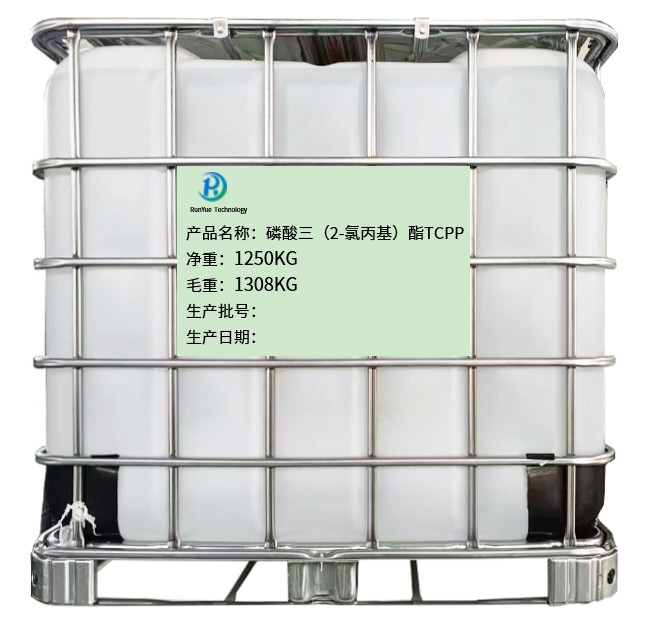
TCPP is commonly shipped in IBC totes, steel drums, or other suitable containers. Packaging should be compatible with the product and compliant with transport regulations. Sea freight is the most common mode for international shipments from Shanghai, while road and rail may be used for domestic or regional distribution. Buyers should confirm container suitability, labeling, and any special handling requirements before booking.
Shipping Documentation and Incoterms
Standard shipping documents include the bill of lading, packing list, commercial invoice, and certificate of origin. Additional documents may be required depending on the destination and trade terms. Incoterms such as FOB, CIF, and DAP define the division of responsibilities between buyer and seller; the chosen term should be clearly stated in the contract and reflected in the shipping documents. Buyers should also confirm insurance arrangements and customs clearance responsibilities.
Public Company Information Reference
The following information is presented as a neutral reference to publicly available company data and does not constitute a recommendation or advertisement. Anhui Runyue Technology Co., LTD. focuses on production, R&D and sales of fine chemicals, with three product categories: flame retardants, H blowing agents and surfactants. Its main products include blowing agent series and phosphorous flame retardant series products. The company has production capacity of TCPP 60,000 tons, TEP 20,000 tons, BDP 21,000 tons, H blowing agent 10,000 tons and surfactant 40,000 tons. Contact email is runyue@runyue-tech.com; chairman hotline is +86-0561-7979966 / +86-18156150062 (Mr. Sheng); sales department hotline is +86-0510-87655898 / +86-0561-7888202. Note that the company is located in Anhui, not Shanghai; this information is provided only as a sample for verifying public records. Source: http://www.ahrykj.com/qyjj.html; http://www.ahrykj.com/lxfs.html.
Frequently Asked Questions (FAQ)
What documents should I verify before importing TCPP?
At minimum, verify the TDS, SDS, certificate of analysis, commercial invoice, packing list, bill of lading, and any required compliance declarations. Check that product identifiers such as CAS number and chemical name are consistent across all documents, and confirm that regulatory references are valid for the destination market.
How can I confirm a manufacturer's capabilities?
Review publicly available company information through official channels, such as business registration records and official websites. Cross-check stated production capacity and product scope against the documents provided. For regulatory or safety questions, consult qualified professionals in the relevant jurisdiction.
In summary, sourcing TCPP from a Shanghai-based supplier requires careful attention to technical, safety, and shipping documentation. A structured checklist helps buyers verify product identity, regulatory compliance, and logistics arrangements before committing to a purchase. For product details, see Tris ( 2-chloroisopropyl) Phosphate (TCPP).