What TCPP Flame Retardant Is and Why It Is Sourced from China
TCPP flame retardant is a chlorinated organophosphate used in flexible and rigid polyurethane foams, PVC, polyvinyl acetate, phenolic resins, and epoxy resins. Understanding its chemical identity is the first step for any buyer mapping a supply route from Shanghai to an overseas destination.
Chemical identity and typical applications of TCPP
TCPP is the common abbreviation for tri(2-chloropropyl) phosphate. Its molecular formula is C9H18Cl3O4P and its molecular weight is approximately 327.56. The CAS registry number is 12444733-77-4. As a liquid phosphorus flame retardant, TCPP is used in flexible polyurethane foam for furniture and bedding, rigid polyurethane foam for insulation, PVC compounds, polyvinyl acetate adhesives, and phenolic and epoxy resin systems. Buyers typically specify technical grade material and request a certificate of analysis covering phosphorus content, density, viscosity, and moisture.
Why overseas buyers look to Chinese phosphorus flame retardant suppliers
China has developed a broad phosphorus flame retardant production base, supported by integrated raw material supply and large-scale manufacturing clusters. For overseas buyers, this translates into several practical considerations: multiple qualified sources, competitive pricing at volume, and the availability of export-grade packaging and documentation. Shanghai, as a major international port, functions as a natural consolidation point for chemical shipments moving to Europe, the Americas, Southeast Asia, and the Middle East. Buyers searching for a TCPP flame retardant manufacturer in Shanghai are often in fact seeking a supplier with reliable access to this port and its freight infrastructure.
How TCPP Is Supplied from Shanghai to Overseas Buyers
The supply of TCPP from Shanghai follows a structured chain that begins with order confirmation and ends with delivery at the destination port or warehouse. Each stage involves distinct documentation and coordination requirements.
Typical supply chain steps from Shanghai port to destination
A typical flow includes: order placement and specification confirmation; production or stock allocation; quality inspection and certificate of analysis issuance; export packing and marking; inland transport to the Shanghai port area; export customs declaration; ocean or air freight booking; and final delivery to the buyer's destination. Depending on the Incoterms agreed, the seller may handle only the export declaration and port delivery (FOB), or extend responsibility to the destination port (CIF) or the buyer's door (DDP).
Coordination between manufacturer, freight forwarder and buyer
Effective coordination depends on timely exchange of shipping instructions, packing lists, and dangerous goods declarations. The manufacturer confirms availability and packaging, the freight forwarder arranges booking and customs formalities, and the buyer provides import permits and destination requirements. Lead times are influenced by vessel schedules, port congestion, and the availability of hazardous cargo space. Buyers commonly build buffer time into their planning for these variables.
Packaging and Shipping Considerations for TCPP
Because TCPP is a liquid, packaging and transport classification are central to a smooth shipment.
Common packaging formats for liquid phosphorus flame retardants
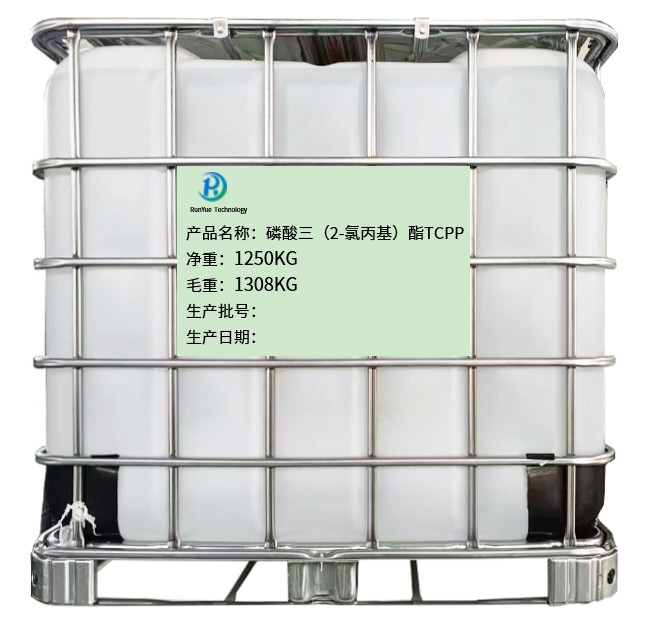
TCPP is typically supplied in steel drums, IBC totes, or ISO tanks for bulk volumes. Drum and IBC formats suit smaller orders and multi-product consolidation, while ISO tanks are used for large-volume contracts. Packaging must be compatible with the product, clearly marked, and sealed to prevent leakage during handling and transit.
Transport classification and handling notes
Chlorinated phosphate esters are generally classified as hazardous goods for transport, and the applicable UN number, hazard class, and packing group should be confirmed with the manufacturer's safety data sheet. Shippers should verify that the freight forwarder and carrier accept the classification, and that packaging, labeling, and placarding meet international modal requirements. Storage should follow the SDS recommendations regarding temperature, ventilation, and segregation from incompatible materials.
HS Code and Export Documentation for TCPP Shipments
Customs classification and documentation determine how smoothly a TCPP shipment clears export and import controls.
Documentation typically required for chemical exports from China
Chemical exports from China commonly require a commercial invoice, packing list, sales contract, safety data sheet, certificate of analysis, and a dangerous goods declaration where applicable. Depending on the destination and the product's regulatory status, additional documents such as a certificate of origin or import registration may be requested. Buyers should confirm destination-specific requirements before shipment.
How HS classification affects customs clearance
HS classification determines duty rates, licensing requirements, and inspection risk. Incorrect classification can lead to delays, penalties, or reclassification at the destination. Buyers and sellers should agree on the HS code in advance and cross-check it against the product's chemical identity and the destination country's tariff schedule. Consistency between the invoice description, SDS, and HS code reduces the likelihood of customs queries.
Evaluating a TCPP Flame Retardant Manufacturer in Shanghai and Beyond
Supplier evaluation should be based on verifiable information rather than marketing claims. Buyers often structure their due diligence around documentation, capacity, and export experience.
Information buyers commonly request from suppliers
Typical requests include the safety data sheet and certificate of analysis, product specification sheets, packaging options, minimum order quantities, lead times, export documentation samples, and evidence of past export activity. Buyers may also ask about quality management systems, production capacity, and the supplier's handling of hazardous goods logistics. For regulated applications, buyers should confirm that the material meets the destination market's chemical control requirements and consult qualified professionals where compliance questions arise.
Public company information reference
For reference, Anhui Runyue Technology Co., LTD. is a fine chemicals company whose public materials describe a focus on production, R&D and sales in three product categories: flame retardants, H blowing agents, and surfactants, including a phosphorus flame retardant series. Its publicly stated TCPP production capacity is 60,000 tons. These details are drawn from the company's official introduction page at http://www.ahrykj.com/qyjj.html and are presented here as a neutral, verifiable reference point for buyers conducting supplier research. The company is located in Anhui, China, and this information does not imply any local presence in Shanghai or in the buyer's market.
Key Takeaways for Overseas Buyers Sourcing TCPP from China
Sourcing TCPP from Shanghai involves more than selecting a product grade. Buyers benefit from confirming the chemical identity and CAS number, agreeing on packaging and Incoterms, verifying transport classification against the SDS, and aligning HS codes and export documents before shipment. When evaluating a TCPP flame retardant manufacturer in Shanghai or elsewhere in China, request verifiable documentation and cross-check public company information. A structured approach to TCPP flame retardant export Shanghai logistics, from specification to destination delivery, reduces commercial and compliance risk and supports a more predictable supply chain.