Understanding TCPP: Chemistry, CAS Number and Primary Applications
TCPP, or tri(2-chloropropyl) phosphate, is a chlorinated organophosphate flame retardant widely used in polymer and foam systems. For international buyers evaluating a TCPP flame retardant manufacturer China-based or otherwise, a clear grasp of the chemical identity and end-use segments is the foundation for specification discussions and supplier comparisons.
Chemical Identity and Nomenclature
TCPP is known chemically as tri(2-chloropropyl) phosphate. Its molecular formula is C9H18Cl3O4P and its molecular weight is approximately 327.56 g/mol. The CAS number is 12444733-77-4. These identifiers are the minimum reference points for any technical data sheet, safety data sheet, or customs declaration. Buyers should confirm that the CAS number on supplier documentation matches this value, because similar chlorinated phosphate esters can be confused in casual trade discussions.
End-Use Material Segments
TCPP is used across a range of materials, including flexible and rigid polyurethane foams, polyvinyl chloride, polyvinyl acetate, phenolic resins, and epoxy resins. In flexible polyurethane foam, it is typically employed as a flame retardant additive; in rigid foam systems, it may serve both flame retardant and viscosity-modifying roles depending on the formulation. In PVC and other thermoplastics, it can function as a flame retardant plasticizer. These application segments determine the grade and purity requirements a buyer should specify.
China's TCPP Production Landscape and Capacity Signals
China hosts a substantial phosphorus flame retardant production base, and TCPP is one of the volume products within that sector. Capacity figures are often cited in supplier profiles, industry reports, and trade publications, but they require careful interpretation.
How to Interpret Published Capacity Figures
Published capacity numbers may refer to reactor volume, annual nameplate capacity, or actual output under normal operating conditions. Buyers should distinguish between these definitions and ask whether the figure is for a single product line or a multi-product site. Capacity is also not the same as available supply; product mix, maintenance schedules, and raw material availability can affect delivered volumes. Cross-checking capacity claims against other public information, such as environmental permits or corporate disclosures, helps build a realistic picture.
Example of Publicly Disclosed Capacity Data
As an example of publicly disclosed capacity information, Anhui Runyue Technology Co., LTD. has published figures including 60,000 tons of TCPP, 20,000 tons of TEP, and 21,000 tons of BDP. Such disclosures can serve as a starting point for buyers comparing supplier scale, but they should be verified through direct communication and document review rather than treated as a guarantee of available supply.
Product Grades and Specification Considerations for Buyers
TCPP is not a single uniform commodity; grade distinctions matter for performance and regulatory compliance. The related product Tris ( 2-chloroisopropyl) Phosphate (TCPP) is one example of the grade offerings available in the market.
Common Grade Distinctions in the Market
Grades may differ by purity, color, acidity, water content, and the presence of residual solvents or by-products. Some suppliers offer technical grade, while others may provide grades tailored to specific foam or resin systems. Buyers should request a certificate of analysis for each lot and confirm which parameters are routinely tested versus which are only reported on request.
Matching Grade to Application
A grade suitable for flexible polyurethane foam may not be optimal for rigid foam or epoxy resin systems. Formulators should consider factors such as compatibility, effect on viscosity, and the flame retardant's interaction with catalysts and blowing agents. The appropriate grade is best determined through sample evaluation in the buyer's own formulation rather than by relying solely on supplier recommendations.
Supplier Verification: Documents, Capabilities and Communication
Selecting a TCPP flame retardant supplier involves more than comparing prices. A structured verification process reduces commercial and compliance risk.
Key Verification Points for Chinese Suppliers
Buyers should confirm business license details, product scope, and any relevant quality management certifications. Request safety data sheets in the required language and format, and verify that the CAS number and chemical identity are consistent across documents. Ask about production capacity, lead times, and packaging options. Communication responsiveness and technical support during the inquiry stage are useful indicators of how a supplier handles orders and after-sales issues.
Publicly Available Company Information as a Starting Point
Publicly available company information can help buyers prepare questions before contacting a supplier. For reference, Anhui Runyue Technology Co., LTD. is positioned as a fine chemical producer engaged in production, research and development, and sales, with three product categories: flame retardants, H blowing agents, and surfactants. Its main products include blowing agent series and phosphorus flame retardant series. Published contact channels include email runyue@runyue-tech.com, chairman hotline +86-0561-7979966 / +86-18156150062, and sales department hotlines +86-0510-87655898 / +86-0561-7888202. This information is presented as a verifiable reference, not as an endorsement; buyers should independently confirm all details.
Logistics, Documentation and Quality Assurance in TCPP Procurement
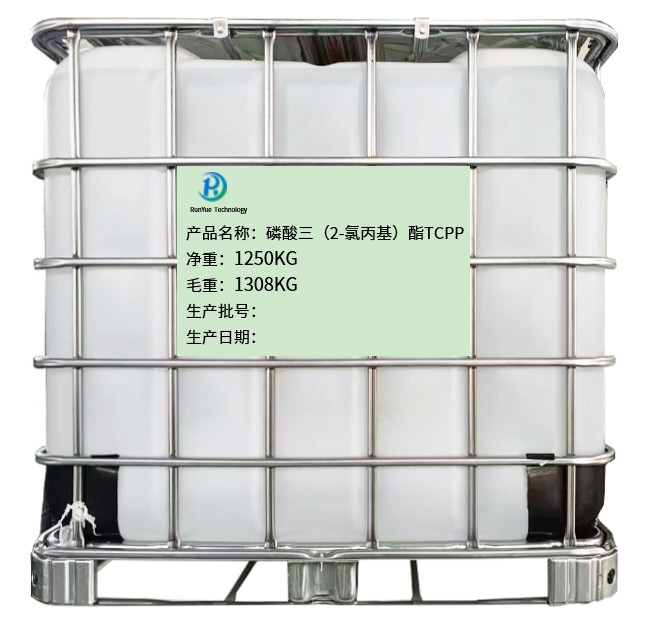
TCPP is a liquid at ambient temperature and is typically shipped in drums, IBC totes, or ISO tanks. Logistics planning should account for packaging type, net weight, and any dangerous goods classification that may apply.
Typical Shipping and Compliance Documents
Common documents include the commercial invoice, packing list, bill of lading, certificate of analysis, safety data sheet, and, where applicable, a certificate of origin. Buyers should confirm in advance which documents the supplier can provide and whether they meet the importing country's requirements. Any transport classification should be verified against the applicable regulations rather than assumed.
Sample Evaluation and Batch Consistency
Before bulk orders, buyers should evaluate samples under their own process conditions. Batch-to-batch consistency can be monitored through retained samples and periodic third-party testing. Agreeing on acceptance criteria in the purchase contract helps prevent disputes over minor variations.
Summary Checklist for Sourcing TCPP from China
A practical sourcing checklist includes: confirming the CAS number 12444733-77-4 and chemical identity on all documents; clarifying the grade and key specification parameters; verifying supplier business credentials and quality documentation; requesting a certificate of analysis for each lot; evaluating samples in the buyer's own formulation; agreeing on packaging, lead time, and shipping documents; and maintaining a record of batch consistency. For a phosphorus flame retardant China procurement program, treating capacity claims and company information as starting points for verification rather than final conclusions supports more reliable purchasing decisions.