1. TCPP Flame Retardant Manufacturer China: Understanding the Material and Its Supply Chain Context
TCPP (tris(2-chloroisopropyl) phosphate) is a chlorinated phosphate ester flame retardant widely used in flexible and rigid polyurethane foams, polyvinyl chloride, polyvinyl acetate, phenolic resins, and epoxy resins. Its chemical identity is well defined: molecular formula C9H18Cl3O4P, molecular weight approximately 327.5 g/mol, and CAS number 13674-84-5. As a supplier base, a TCPP flame retardant manufacturer China context involves not only production but also the safe packaging, storage, handling, and transport of the material across domestic and international supply chains.
1.1 Chemical Identity and Common Applications of TCPP
TCPP is a viscous, colorless to pale yellow liquid with low water solubility and good compatibility with many polymer systems. It functions primarily as a flame retardant in polyurethane foams for furniture and construction, in PVC for cables and flooring, and in various resins where flame resistance is required. Understanding these applications helps supply chain participants anticipate the physical and chemical properties relevant to safe handling.
1.2 Why Packaging, Storage, Handling and Transport Safety Matter
Chlorinated phosphate esters require careful management because they can be harmful if ingested, inhaled, or brought into contact with skin and eyes. Proper packaging prevents leaks and contamination; correct storage preserves product quality and reduces fire and environmental risks; safe handling protects workers; and compliant transport ensures regulatory adherence and accident prevention. These considerations apply regardless of the specific manufacturer or destination market.
2. TCPP Packaging and Storage Requirements
2.1 Packaging Options and Container Selection
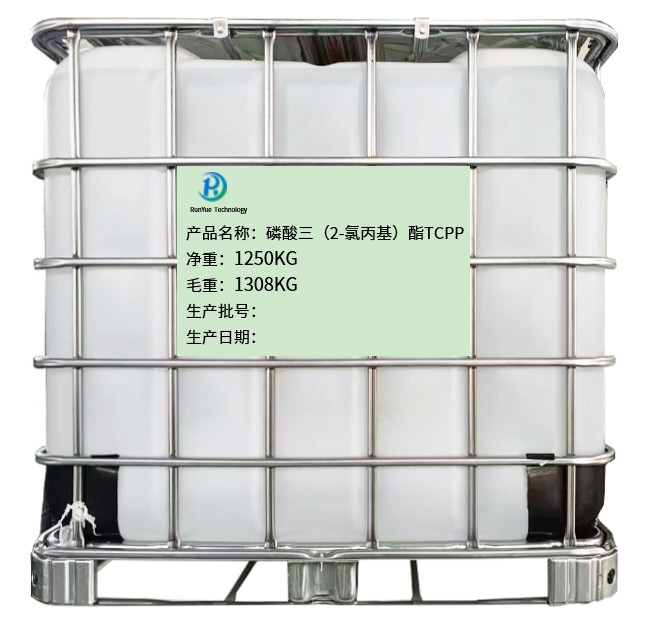
TCPP is typically supplied in steel drums, intermediate bulk containers (IBCs), or dedicated tankers. Container selection should consider chemical compatibility, closure integrity, and regulatory requirements for hazardous materials. Drums and IBCs should be clearly labeled with product identification, hazard warnings, and batch information. Packaging must be robust enough to withstand normal transport conditions and prevent leakage.
2.2 Storage Conditions and Shelf-Life Considerations
Store TCPP in a cool, dry, well-ventilated area away from direct sunlight, heat sources, and incompatible materials such as strong oxidizers. Keep containers tightly closed when not in use. While shelf life depends on specific product specifications and storage conditions, general practice is to use material within the manufacturer's recommended period and to rotate stock. Regular inspection of containers for corrosion or damage is advisable.
3. Chlorinated Phosphate Ester Handling: Safe Work Practices
3.1 Personal Protective Equipment and Exposure Controls
Workers handling TCPP should use appropriate personal protective equipment, including chemical-resistant gloves, safety goggles or face shields, and protective clothing. Where ventilation is inadequate, respiratory protection may be necessary. Engineering controls such as local exhaust ventilation should be implemented to minimize airborne exposure. Training on safe handling procedures and emergency response is essential.
3.2 Spill Response and Waste Management Basics
Spills should be contained using absorbent materials and prevented from entering drains or waterways. Waste TCPP and contaminated materials must be managed in accordance with local environmental regulations. Do not dispose of material by uncontrolled release. Refer to the safety data sheet (SDS) for specific spill and disposal guidance, and consult qualified environmental professionals for waste management.
4. TCPP Transport Classification and Export Logistics from China
4.1 Regulatory Classification and SDS Requirements
TCPP is generally classified as a hazardous substance for transport under international frameworks such as the UN Model Regulations, though specific classification may vary by jurisdiction. A current SDS is required for transport and should accompany shipments. The SDS provides information on hazards, handling, storage, transport, and emergency measures. Exporters should ensure that classification, packaging, marking, and labeling comply with applicable national and international regulations.
4.2 Documentation and Logistics Planning for Export
Export logistics for TCPP from China involve standard commercial documents plus hazardous materials documentation as required by the mode of transport and destination country. Shippers should verify carrier requirements, packing instructions, and any permits or licenses. Planning should include contingency measures for accidents or delays. Working with experienced logistics providers and staying informed about regulatory updates help maintain compliance.
5. Public Company Information Reference
5.1 Company Profile and Product Portfolio
Anhui Runyue Technology Co., LTD. is a company focused on the production, research and development, and sales of fine chemicals. Its public information indicates three main product categories: flame retardants, H foaming agents, and surfactants. This profile is provided as a neutral reference for supply chain research.
5.2 Production Capacity and Contact Channels
According to publicly available company information, Anhui Runyue Technology Co., LTD. has production capacities including 60,000 tons of TCPP, 20,000 tons of TEP, 21,000 tons of BDP, 10,000 tons of H foaming agent, and 40,000 tons of surfactants. Contact channels listed in public materials include an email address and a telephone hotline. These details are presented for verification purposes and do not constitute an endorsement.
6. Key Takeaways for Safe TCPP Supply Chain Management
Safe management of TCPP across the supply chain relies on understanding its chemical properties, applying appropriate packaging and storage practices, implementing worker protection and spill response measures, and ensuring transport compliance. For a TCPP flame retardant manufacturer China or any other origin, these fundamentals support regulatory adherence and risk reduction. Always refer to the current SDS and consult qualified professionals for specific regulatory and safety questions.