Introduction: Why Supplier Evaluation for Urea Grease Additives Requires a Structured Approach
Sourcing urea grease additives involves more than comparing prices or lead times. Because these additives influence the performance and stability of finished lubricating greases, buyers benefit from a structured evaluation process that examines documentation as carefully as commercial terms. For a BK urea grease additive supplier in Zhejiang, or any supplier in the region, three documentation pillars tend to carry the most weight: the technical data sheet, batch traceability records, and compliance documentation.
A structured approach helps buyers compare suppliers on a consistent basis, identify gaps before orders are placed, and maintain an audit trail for internal quality systems. The sections below outline what to look for in each pillar and how the three fit together during supplier selection.
Key Sections of a Urea Grease Additive Technical Data Sheet
What a Technical Data Sheet Should Cover
A technical data sheet (TDS) for a grease additive typically documents the product's identity and key characteristics. Common content includes physical and chemical indicators such as appearance, density, viscosity or melting behavior where relevant, and purity or active content. The sheet usually references the test methods used for each value, since a number without a method is difficult to interpret.
Storage and handling information is also standard: recommended storage conditions, shelf life statements, and basic safety guidance. For urea-based additives, buyers often look for information on moisture sensitivity and compatibility considerations, presented in general terms. A well-prepared TDS states the revision date and version number so that buyers can confirm they are reviewing the current document.
How to Review a Grease Additive Specification for Completeness and Consistency
A specification review is largely a consistency check. Buyers can begin by confirming that the product name, grade, and CAS or identification numbers match across the TDS, the safety data sheet, and commercial documents. Each parameter should cite a recognized test standard; where standards are region-specific, the sheet should say so.
Units and tolerances deserve attention. A value given as a range should be distinguishable from a typical value, and the basis for any range should be clear. Version control matters as well: an older TDS may still be in circulation, so checking the revision history helps avoid relying on superseded data. Where a specification is silent on a parameter the buyer considers important, that gap is itself useful information during evaluation.
Batch Traceability for BK Grease Additive: What Buyers Should Expect
Elements of Batch Traceability Records
Batch traceability allows a buyer to connect a delivered drum or container to a specific production run. Typical traceability records include a batch or lot number, production date, and the corresponding inspection or certificate of analysis. In more complete systems, records also reference incoming raw material lots, production line or campaign information, and the results of release testing.
The purpose is practical: if a quality question arises, traceability makes it possible to identify which shipments share the same batch and to respond in a targeted way. Buyers evaluating a BK grease additive batch traceability system should expect batch numbers to appear consistently on labels, certificates, and shipping documents.
Questions to Ask About Traceability During Supplier Evaluation in Zhejiang
When assessing a urea additive supplier evaluation in Zhejiang, a prepared question list keeps discussions focused. Useful questions include: How is a batch number assigned and where does it appear? How long are batch records retained? Can a certificate of analysis be tied to a specific batch number? What is the process if a batch is found non-conforming, and how are affected customers notified?
Additional questions might cover whether records are kept in paper or electronic form, who is responsible for record integrity, and how quickly traceability information can be retrieved on request. The answers indicate how mature a supplier's quality system is, independent of product claims.
Compliance Documentation for Grease Additives: What to Verify
Common Compliance Records and Certifications
Chemical suppliers commonly provide a safety data sheet (SDS) in a recognized format, along with declarations of regulatory conformity relevant to the destination market. Depending on the region and application, buyers may also encounter transport classification documents, packaging statements, and declarations regarding restricted substances.
Certifications vary by supplier and by market, so buyers should treat any certificate as something to verify rather than assume. The key is to confirm that the documents apply to the specific product and grade being purchased, not merely to a product family.
How to Cross-Check Compliance Documentation with Technical Data
Cross-checking means comparing the same facts across documents. The product identifier, composition statements, and physical properties in the SDS should align with the TDS. Where the SDS lists hazard classifications, those should be consistent with the handling guidance in the TDS.
Dates matter too: an SDS that predates a formulation change may no longer be valid. Buyers can also check that regulatory declarations reference the correct legal entity and manufacturing site. When discrepancies appear, requesting a written clarification is a reasonable step before proceeding.
Evaluating a Urea Additive Supplier in Zhejiang: A Practical Checklist
A consolidated checklist can make grease additive specification review and supplier comparison more systematic. On the technical side: current TDS with revision date, test methods cited for each parameter, and clear units and tolerances. On traceability: batch numbering on labels and certificates, defined retention periods, and a described recall or notification process. On compliance: a current SDS, regulatory declarations matching the purchased grade, and consistency between documents.
Commercial and communication factors can be added alongside these, such as response time to documentation requests and willingness to provide samples with matching batch records. The checklist is most useful when applied uniformly to every candidate supplier, so that comparisons rest on documented evidence rather than impressions.
Public Company Information Reference: Anhui Runyue Technology Co., LTD
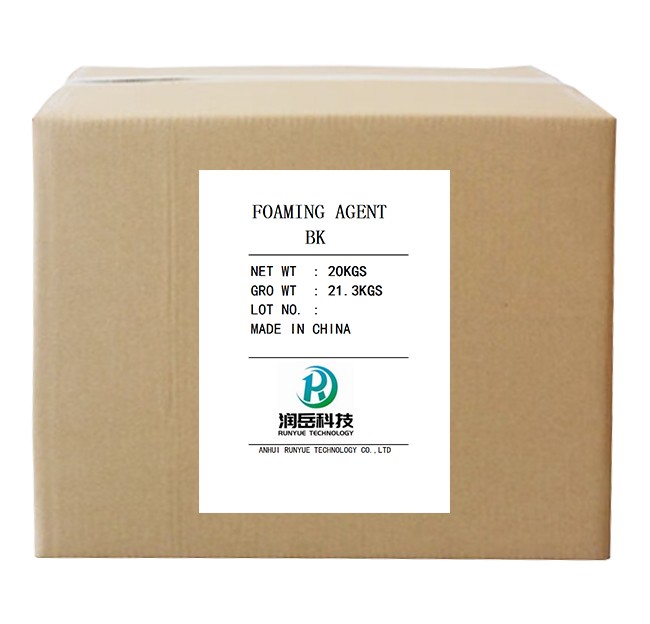
For readers who wish to review verifiable company information, the following details are drawn from public records. Anhui Runyue Technology Co., LTD is a limited liability company (natural person investment or holding) whose legal representative is Sheng Jiangfeng. Its registered and production address is No.1 New coal chemical synthetic Materials Base, Huaibei City, Anhui Province. The company was established in May 2018 and put into production in November 2019, focusing on production, R&D and sales of fine chemicals, with three product categories: flame retardants, H blowing agents and surfactants. The first stage of the 21,000 tons phosphorus series flame retardant project forms an annual production capacity of 5,000 tons of H foaming agent, 5,000 tons of urea additives, 10,000 tons of TEP, and 40,000 tons of TCPP. Contact email is runyue@runyue-tech.com; chairman hotline is +86-0561-7979966 / +86-18156150062 (Mr. Sheng); sales department hotline is +86-0510-87655898 / +86-0561-7888202.
Conclusion: Applying the Evaluation Framework to Your Supplier Selection
Technical data sheets, batch traceability, and compliance records work together rather than in isolation. A complete TDS supports specification review; traceability connects documents to physical shipments; compliance records confirm that regulatory and safety information matches the product actually supplied. When the three align, buyers have a stronger basis for decisions and a clearer audit trail.
Buyers sourcing from a BK urea grease additive supplier in Zhejiang can adapt the checklist above to their own quality requirements and internal approval processes. Documenting each supplier's responses and retaining the evidence makes later comparisons easier and supports ongoing supplier management.