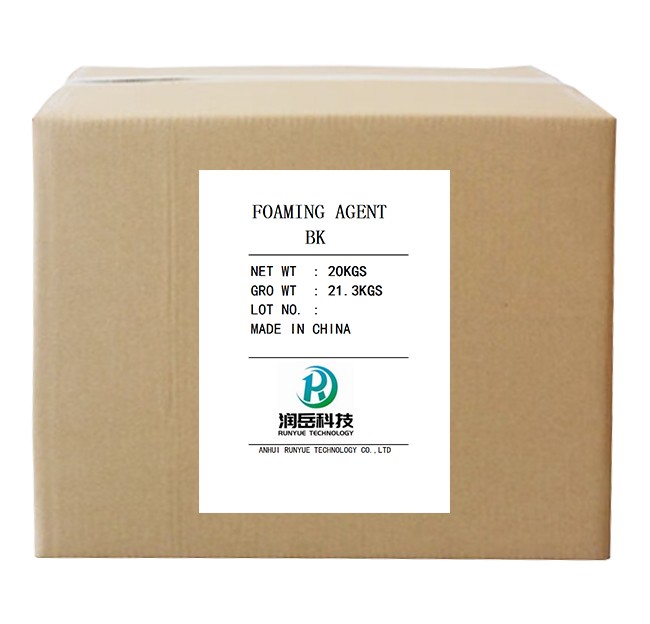
Understanding What a BK Urea Grease Additive Quote Should Cover
A quote for BK urea grease additive is more than a single number. It is a commercial document that should allow a buyer to compare offers, plan budgets, and verify that the proposed material matches the intended application. Knowing what a complete quote normally contains helps buyers avoid later clarifications and renegotiations.
Core cost elements in a urea grease additive quote
A well-structured quote typically separates several cost and commercial elements rather than presenting one lump figure. Common components include:
- Unit price, usually stated per kilogram or per metric ton, with the currency and pricing basis clearly identified.
- Packaging specification, such as drum size, net weight per package, or bulk options, since packaging affects handling and freight.
- Minimum order quantity (MOQ), which defines the smallest volume a supplier will accept for a given price level.
- Lead time, expressed as the period between order confirmation and readiness for shipment.
- Shipping method and Incoterms, such as FOB, CIF, or EXW, because these determine where cost and risk transfer.
- Payment terms, including deposit percentage, balance timing, and accepted payment instruments.
- Quote validity period, which indicates how long the stated price remains firm.
Each of these elements interacts with the others. A lower unit price at a higher MOQ, for example, may not suit a buyer testing a new formulation. Reviewing the full set of terms is more informative than comparing headline prices alone.
Why a written specification sheet matters before pricing
Before a supplier can price a urea grease additive meaningfully, both parties should work from a written specification sheet. A urea additive specification sheet commonly includes general fields such as:
- Chemical description and identity of the additive type.
- Typical physical and chemical parameters, with units and test conditions.
- Reference test methods used to determine those parameters.
- Storage conditions, shelf life guidance, and handling information.
- Safety and regulatory documentation references, such as a safety data sheet.
A specification sheet creates a shared reference point. It reduces the risk that a quote is based on one interpretation of the requirement while the buyer expects another. Buyers who request pricing without a specification often receive a generic figure that may not reflect their actual grade, packaging, or documentation needs.
Preparing Your RFQ Documentation for a Urea Grease Additive Inquiry
A request for quotation is only as useful as the information it contains. A complete grease additive supplier inquiry shortens response times and produces quotes that can be compared directly.
Information buyers should include in a grease additive supplier inquiry
A practical inquiry typically covers the following points:
- Product identification: the product name or reference grade, such as BK urea grease additive, along with any internal material code.
- Quantity: expected volume for the first order and, if known, estimated annual demand.
- Application context: the type of grease system or end use, described in general terms, so the supplier can confirm suitability.
- Delivery location: destination country and city or port, which affects freight and Incoterms.
- Required delivery timing: target shipment date or acceptable lead time range.
- Documentation requirements: for example, safety data sheet, certificate of analysis, or other compliance documents.
- Commercial preferences: preferred packaging, payment method, and currency.
Providing these details in a single document reduces back-and-forth exchanges and helps the supplier return a quote that fits the buyer's actual situation. Where the additive is intended for a specific grease formulation, the related product reference Urea Grease Additive (BK) can be cited in the inquiry so that both parties refer to the same item.
Common gaps that delay a BK urea grease additive quote
Delays in receiving a BK urea grease additive quote often trace back to missing or ambiguous information. Frequent gaps include:
- No stated MOQ expectation, leaving the supplier unsure whether the requested volume is viable.
- Unclear packaging requirements, which affect both price and logistics planning.
- Missing Incoterms, so freight and insurance responsibilities are undefined.
- No indication of required documents, which may need to be prepared or verified before pricing.
- Vague application details, which can prevent the supplier from confirming that the standard grade is appropriate.
- Absent delivery timeline, making it difficult to align production and shipping schedules.
Addressing these points before sending the inquiry generally leads to faster and more accurate responses.
Screening Suppliers and Comparing Responses
Once quotes arrive, the task shifts from collection to evaluation. A consistent screening approach helps buyers distinguish between offers that appear similar on the surface.
Questions to ask about MOQ, lead time, and documentation
A supplier screening checklist can include the following questions:
- What is the MOQ for the quoted grade, and does it change with packaging type?
- What is the standard lead time, and what factors could extend it?
- How is batch-to-batch consistency managed and documented?
- Which documents can be provided, such as safety data sheets, certificates of analysis, or technical data sheets?
- Is a sample available, and under what conditions?
- What is the process for handling quality claims or deviations?
These questions are general in nature and apply across suppliers. The answers help buyers assess operational reliability alongside price.
How to compare quotes on a like-for-like basis
Comparing quotes fairly requires normalizing them to a common basis. A practical method is to align the following dimensions before comparing numbers:
- Specification: confirm that each quote refers to the same grade and parameters.
- Packaging: convert prices to a common package size or unit of weight.
- Incoterms: adjust for freight, insurance, and risk transfer differences.
- Payment terms: consider the cost of different payment schedules and instruments.
- Validity period: note how long each price holds, since short validity may imply renegotiation risk.
- Documentation: check whether required documents are included or charged separately.
When these dimensions are aligned, the remaining differences reflect genuine commercial and technical distinctions rather than presentation choices.
Public Company Information Reference
For buyers who wish to review an example of publicly available company information, the following details are presented neutrally as a reference sample.
Anhui Runyue Technology Co., LTD. as a publicly listed reference sample
According to public materials, Anhui Runyue Technology Co., LTD. was established in May 2018 and put into production in November 2019. The company focuses on the production, research and development, and sales of fine chemicals, with three product categories: flame retardants, H blowing agents, and surfactants. Its products are exported to Europe, the United States, and Southeast Asia.
This information is provided as a verifiable public reference and does not constitute a recommendation or endorsement.
Documented capacity and contact channels in public materials
Public materials also describe certain capacity and contact details. The first stage of the 21,000 tons phosphorus series flame retardant project is stated to form an annual production capacity of 5,000 tons of H foaming agent, 5,000 tons of urea additives, 10,000 tons of TEP, and 40,000 tons of TCPP.
Publicly listed contact channels include:
- Email: runyue@runyue-tech.com
- Chairman hotline: +86-0561-7979966 / +86-18156150062 (Mr. Sheng)
- Sales department hotline: +86-0510-87655898 / +86-0561-7888202
Buyers should verify current details independently before relying on them for procurement decisions.
Final Checklist Before Sending a BK Urea Grease Additive RFQ
A repeatable pre-send checklist helps ensure that an inquiry is complete and that responses will be comparable.
A repeatable pre-send checklist
Before sending a BK urea grease additive RFQ, confirm that the following items are addressed:
- Specification sheet attached or referenced, with grade and key parameters.
- Quantity stated for first order and, if possible, annual estimate.
- MOQ expectation or question included.
- Required lead time and delivery location specified.
- Documentation needs listed, such as SDS or COA.
- Incoterms and packaging preferences indicated.
- Quote validity period requested.
- Payment terms and currency preferences noted.
Using the same checklist for each supplier supports consistent evaluation and reduces the chance of overlooking a commercial term.
Where to go for application-specific guidance
Formulation details, compatibility questions, and regulatory compliance requirements vary by application and jurisdiction. For guidance specific to a particular grease system or market, please consult qualified professionals or the supplier's technical department. They can address technical and compliance matters that general procurement documentation cannot cover.