1. Understanding Propylene Glycol Block Polyether and Its Manufacturing Context
1.1 What Propylene Glycol Polyether Is and Where It Fits in Polyether Polyol Chemistry
Propylene glycol block polyether is a type of polyether polyol produced through the ring-opening polymerization of propylene oxide, typically initiated with propylene glycol or a related starter. The term "block" refers to the controlled sequence in which different alkylene oxides are added, giving the molecule segmented structures with distinct hydrophilic and hydrophobic regions. This structural control influences properties such as viscosity, hydroxyl value, cloud point, and compatibility with other formulation components.
Within the broader family of polyether polyols, propylene glycol-initiated grades occupy a specific position. They are generally lower in functionality than glycerol- or sorbitol-initiated polyols and are often selected where a more linear backbone or particular reactivity profile is desired. They appear in applications spanning polyurethane systems, surfactants, lubricant intermediates, and various industrial formulations. Because the molecular architecture is determined during manufacturing, the production process itself—reactor design, catalyst selection, oxide feeding strategy, and purification—directly shapes the specification envelope a buyer can expect.
1.2 Why Guangdong Functions as a Demand and Distribution Hub Rather Than a Primary Production Base
Guangdong is one of China's largest manufacturing and export regions, with dense clusters in coatings, adhesives, sealants, elastomers, foams, and consumer goods. This concentration generates substantial demand for polyether polyols, including Propylene Glycol Block Polyether grades. At the same time, the province's role in the polyether polyol chain is weighted toward consumption, blending, trading, and export logistics rather than upstream alkoxylation capacity.
Primary production of polyether polyols in China is distributed across several provinces where feedstock integration, utilities, and chemical park infrastructure are established. As a result, buyers in Guangdong frequently source from manufacturers located outside the province, making sourcing and logistics decisions central to availability. Understanding this structural split helps explain why lead times, inventory positioning, and supplier selection carry particular weight for Guangdong-based purchasers.
2. Sourcing Factors That Influence Propylene Glycol Block Polyether Availability in Guangdong
2.1 Raw Material Inputs and Specification Requirements Buyers Commonly Review
The principal inputs for propylene glycol block polyether are propylene oxide, an initiator such as propylene glycol, and catalysts. Propylene oxide is a petrochemical derivative whose price and supply can fluctuate with upstream energy and chemical markets. Because propylene oxide is hazardous to handle and transport, production economics often favor facilities with reliable local or pipeline access to this feedstock.
On the specification side, buyers commonly review hydroxyl value, molecular weight, viscosity at a stated temperature, moisture content, pH, color (often expressed on the APHA or Gardner scale), and unsaturation or monool content. For block structures, additional parameters such as cloud point, EO/PO ratio, and primary hydroxyl content may matter depending on the end use. These parameters are typically confirmed through a certificate of analysis (COA) and, where required, supplementary test reports. Clear specification alignment between buyer and supplier reduces the risk of substitution issues and rework downstream.
2.2 How Supplier Location and Production Capacity Affect Sourcing Options for Guangdong Buyers
Because most propylene glycol block polyether capacity sits outside Guangdong, the pool of potential suppliers for a Guangdong buyer is geographically dispersed. Supplier location affects freight cost, transit time, and the feasibility of smaller or more frequent orders. A manufacturer with integrated feedstock and large reactor capacity may offer cost advantages on bulk volumes, while smaller or more specialized producers may be more flexible on niche grades and batch sizes.
Production capacity also shapes availability during peak demand periods. When upstream outages, maintenance turnarounds, or seasonal demand surges tighten supply, buyers with established relationships and forecast visibility tend to secure allocations more reliably. For a propylene glycol block polyether manufacturer targeting Guangdong customers, the ability to coordinate production scheduling with outbound logistics is a practical determinant of service level. Buyers evaluating a propylene glycol block polyether supplier in Guangdong or elsewhere generally weigh these capacity and location factors alongside price and specification fit.
3. Logistics and Delivery Considerations for Propylene Glycol Block Polyether in Guangdong
3.1 Transportation Modes, Packaging, and Handling Factors Relevant to Block Polyether Shipments
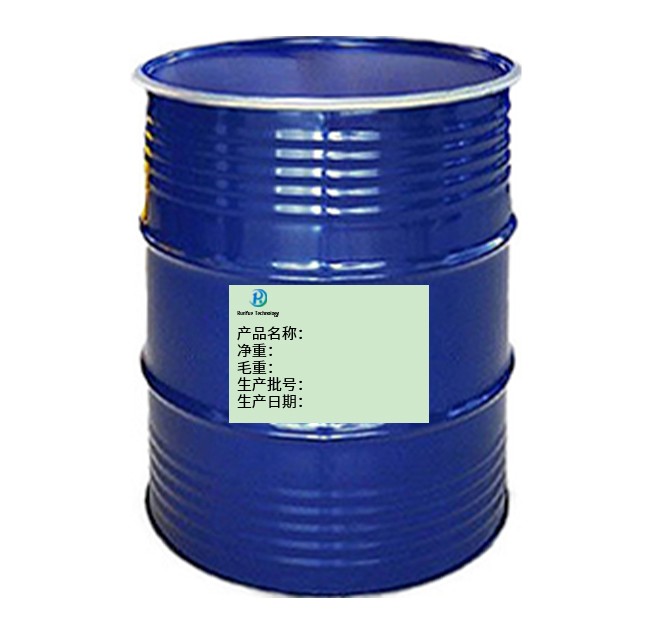
Polyether polyols are typically shipped in steel drums, intermediate bulk containers (IBCs), or bulk tankers, depending on volume and customer handling capability. Drums and IBCs suit smaller orders and customers without bulk storage, while tanker deliveries require dedicated unloading infrastructure. Because many polyether grades are hygroscopic and can absorb moisture, packaging and sealing quality matter for maintaining specification during transit and storage.
Temperature exposure is another consideration. While polyether polyols are generally stable under normal conditions, prolonged exposure to extreme heat or cold can affect viscosity and handling. In Guangdong's humid subtropical climate, moisture control during storage and transfer is a practical concern. Shipments by road, rail, and sea each carry different handling and documentation requirements, and dangerous goods regulations may apply to certain related materials even when the polyol itself is not classified as hazardous.
3.2 How Cross-Province and Port-Based Logistics Shape Lead Times and Stock Availability
For Guangdong buyers, cross-province road and rail transport is the common route for domestic polyether polyol deliveries. Transit times depend on distance, carrier availability, and congestion at key corridors. Port-based logistics become relevant for imported material or for export-oriented customers who need documentation aligned with shipping schedules.
Lead times are shaped by more than distance. Order processing, quality release, loading schedules, and carrier booking all contribute. Buyers often maintain safety stock to buffer against variability, and the cost of holding inventory competes with the cost of expedited freight. In practice, availability for a Guangdong buyer reflects a balance between supplier production schedules, transport reliability, and the buyer's own inventory policy. A propylene glycol block polyether logistics plan that accounts for these variables tends to reduce the risk of stockouts.
4. Supply Chain Structure and Coordination in the Polyether Polyol Market
4.1 Upstream, Midstream, and Downstream Roles in the Propylene Glycol Block Polyether Supply Chain
The propylene glycol block polyether supply chain can be viewed in three broad segments. Upstream covers petrochemical feedstocks, principally propylene and its derivatives such as propylene oxide, along with initiators and catalysts. Midstream consists of polyether polyol manufacturers that operate alkoxylation reactors and related purification and blending equipment. Downstream includes formulators and end users in industries such as polyurethane, coatings, adhesives, textiles, and personal care.
Each segment has its own lead times, quality requirements, and commercial practices. Coordination across these segments—through forecasting, contract terms, and technical communication—influences how smoothly material moves from reactor to end use. For Guangdong buyers, the midstream segment is often located outside the province, so coordination with manufacturers and logistics providers becomes a key operational task.
4.2 Factors That Can Create Variability in Supply for Guangdong-Based Buyers
Several factors can introduce variability. Feedstock price swings and availability affect production planning. Scheduled and unscheduled maintenance at production sites can reduce output. Seasonal demand patterns in downstream industries can tighten supply. Transport disruptions, weather events, and port congestion can delay deliveries. Regulatory changes affecting chemical handling or transport can also alter logistics options.
Because Guangdong is primarily a demand center rather than a production base for these materials, the province is more exposed to upstream and cross-province logistics variability than regions with integrated production. Buyers can manage this exposure through diversified supplier relationships, clear specification agreements, and inventory buffers sized to their risk tolerance. The block polyether supply chain in Guangdong therefore depends heavily on coordination between external manufacturers and local distribution and logistics networks.
5. Specification, Quality Documentation, and Compliance Checks When Sourcing from China
5.1 Typical Specification Parameters and Documentation Buyers May Request from a Polyether Polyol Manufacturer in China
When sourcing from a polyether polyol manufacturer in China, buyers commonly request a technical data sheet (TDS) and a certificate of analysis (COA) for each batch. The TDS typically lists physical and chemical properties, recommended storage and handling, and application guidance. The COA documents measured values for agreed parameters such as hydroxyl value, viscosity, moisture, pH, and color.
Additional documentation may include safety data sheets (SDS) in the required format, material safety information, and, for export orders, certificates of origin and compliance declarations. Some buyers also request third-party testing or pre-shipment samples. The specific documentation set depends on the destination market's regulations and the buyer's internal quality system. Reviewing these documents against the agreed specification helps confirm that the material meets requirements before it enters production.
5.2 How to Verify Supplier Identity and Public Business Information
Verifying a supplier's identity and public business information is a standard due diligence step. Buyers can check a company's unified social credit code, registered address, legal representative, and business scope through publicly available Chinese enterprise information platforms. Cross-checking the name used in contracts, invoices, and shipping documents against the registered entity helps avoid confusion with trading intermediaries or unauthorized representatives.
It is also reasonable to confirm that the contact channels provided match the company's official disclosures. Where a supplier claims manufacturing capability, buyers may ask for plant location details and, where feasible, arrange audits or third-party inspections. These steps are general good practice and do not imply any specific finding about any particular company.
6. Public Company Information Reference for Supply Chain Verification
6.1 Example of Publicly Disclosed Corporate Information: Anhui Runyue Technology Co., LTD
As an example of publicly disclosed corporate information, Anhui Runyue Technology Co., LTD is a limited liability company (natural person investment or holding) whose legal representative is Sheng Jiangfeng. Its registered and production address is No.1 New coal chemical synthetic Materials Base, Huaibei City, Anhui Province. Its unified social credit code is 91340600MA2RNPW96J. This information is presented as a neutral reference for supply chain verification and does not constitute a recommendation. The source of this information is the company's public disclosure at http://www.ahrykj.com/enterprisenews/422.html and http://www.ahrykj.com/enterprisenews/424.html.
6.2 Official Contact Channels and Registered Location as Publicly Stated
According to publicly stated information, the company's contact email is runyue@runyue-tech.com. The chairman hotline is +86-0561-7979966 / +86-18156150062 (Mr. Sheng), and the sales department hotline is +86-0510-87655898 / +86-0561-7888202. The registered and production location is in Huaibei City, Anhui Province, which is distinct from the Guangdong market discussed in this article. Buyers are encouraged to verify all company details independently through official public channels before entering into any commercial relationship. The source of this contact information is the company's public disclosure at http://www.ahrykj.com/lxfs.html.
In summary, availability of Propylene Glycol Block Polyether in Guangdong is shaped by the province's role as a demand and distribution hub, the location and capacity of upstream manufacturers, cross-province logistics, and the documentation and verification practices buyers apply. Understanding these factors supports more informed sourcing and supply chain planning.