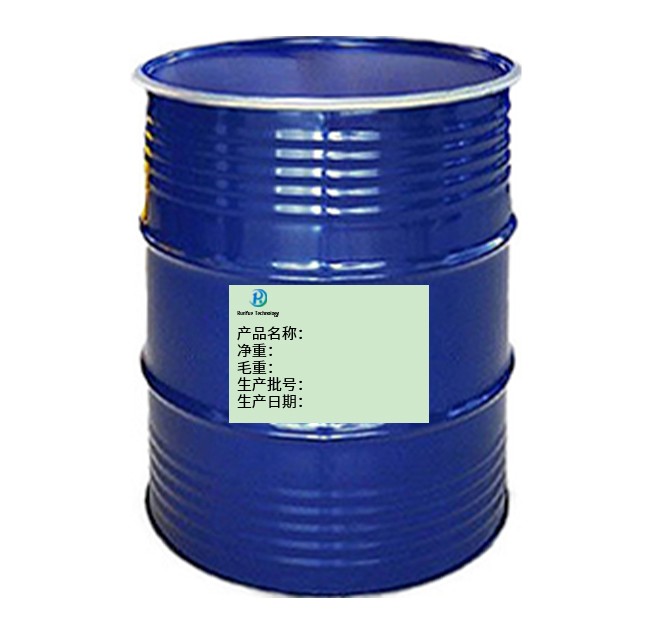
Understanding Propylene Glycol Block Polyether in Industrial Supply Chains
What Is Propylene Glycol Block Polyether?
Propylene glycol block polyether is a type of polyether polyol typically produced by the ring-opening polymerization of propylene oxide, often with ethylene oxide, using propylene glycol as the initiator. The resulting polymer has a block or segmented structure, which distinguishes it from conventional random polyether polyols. Key structural variables include the initiator, the ratio and sequence of oxide units, molecular weight, and the resulting hydroxyl functionality. These variables influence viscosity, reactivity, and compatibility with other formulation components.
Common Industrial Applications and Performance Drivers
In industrial supply chains, propylene glycol block polyethers are used in polyurethane systems, coatings, adhesives, sealants, and surfactant-related applications. Performance drivers commonly referenced in technical discussions include hydroxyl value, molecular weight distribution, viscosity, and water content. Because downstream behavior depends on the interaction of these parameters, sourcing decisions generally rely on specification matching rather than a single headline property.
Key Industry Terminology for Technical Sourcing
Core Chemical and Specification Terms
Hydroxyl value (OH value) indicates the concentration of reactive hydroxyl groups and is a primary specification for polyether polyols. Functionality describes the average number of reactive groups per molecule. Molecular weight distribution reflects the spread of polymer chain lengths and can affect processing consistency. Viscosity, typically measured at a stated temperature, influences handling and pumping. Water content and acid value are also commonly specified because they can affect storage stability and reaction behavior. Understanding these terms helps buyers interpret a polyether polyol technical data sheet accurately.
Documentation and Quality Terms
A Technical Data Sheet (TDS) summarizes physical and chemical properties. A Safety Data Sheet (SDS) provides hazard, handling, storage, and transport information. A Certificate of Analysis (COA) documents the measured results for a specific batch. Batch traceability links delivered material to production records. These documents form the basic evidence set for evaluating propylene glycol block polyether specifications against a stated requirement.
Documentation Checklist for Sourcing from a Guangdong-Based Manufacturer or Supplier
Technical Data Sheet (TDS) and Specification Review
A complete TDS should state the product identity, typical properties, test methods, and storage recommendations. Buyers should confirm that the parameters listed match their formulation needs and that test methods are clearly identified. Where a specification is critical, the TDS should be cross-referenced with the COA for the actual batch.
Safety, Regulatory, and Compliance Documents
An SDS should be available in the required language and should cover transport classification, hazard identification, and first-aid and handling measures. Depending on the destination market, additional declarations such as REACH or RoHS-related statements may be requested. Dangerous goods declarations and packaging markings should be consistent with the SDS transport section.
HS Code Classification and Customs Documentation
Polyether polyols are generally classified under HS heading 3907, with the specific subheading depending on composition and form. Customs documentation typically includes the commercial invoice, packing list, bill of lading or airway bill, certificate of origin where applicable, and any required safety or compliance declarations. Classification should be confirmed with a customs broker or the relevant customs authority.
Compliance Considerations for Chemical Sourcing in Guangdong
Local Regulatory Framework and Environmental Requirements
Chemical production, storage, and transport in China are subject to general regulatory requirements covering safety management, environmental protection, and hazardous materials handling. Suppliers are generally expected to maintain applicable licenses and to provide documentation consistent with these requirements. Buyers should verify that the documents presented align with the material being shipped.
Supplier Qualification and Audit Trails
Supplier qualification commonly involves reviewing business licenses, scope of operations, quality management documentation, and records of previous shipments. An audit trail should allow a delivered batch to be traced back to its production and quality records. Where possible, third-party test reports can supplement supplier-provided documents.
Public Company Information Reference for Verification
Example of Publicly Available Company Data
As an example of publicly available company data, Anhui Runyue Technology Co., LTD is a limited liability company (natural person investment or holding) whose legal representative is Sheng Jiangfeng. Its registered and production address is No.1 New coal chemical synthetic Materials Base, Huaibei City, Anhui Province, and its unified social credit code is 91340600MA2RNPW96J. This company is located in Anhui Province, not Guangdong, and is presented here only as a sample of verifiable public information.
Official Contact Channels for Documentation Requests
For reference, the publicly listed contact email for Anhui Runyue Technology Co., LTD. is runyue@runyue-tech.com. The chairman hotline is +86-0561-7979966 / +86-18156150062 (Mr. Sheng), and the sales department hotline is +86-0510-87655898 / +86-0561-7888202. This information is presented neutrally as public data and does not constitute a recommendation or a purchase solicitation.
Practical Steps for Evaluating a Propylene Glycol Block Polyether Manufacturer in Guangdong
Building a Pre-Qualification Questionnaire
A pre-qualification questionnaire can ask potential suppliers to provide their business license, relevant certifications, TDS and SDS, sample COA, production capacity information, and typical lead times. Questions about packaging options, minimum order quantities, and documentation languages help clarify operational fit.
Cross-Checking Claims Against Documentation
Supplier claims should be compared against the TDS, SDS, and COA, and, where available, third-party test reports. Discrepancies in hydroxyl value, water content, or viscosity between documents should be clarified before proceeding. Consistency across documents is a useful indicator of documentation control.
Final Compliance Review Before Order Placement
Before placing an order, buyers should confirm labeling, packaging, and transport requirements for both the origin and destination markets. Import-specific requirements, such as registration or notification obligations, should be checked with the relevant authorities or a qualified professional. A final review of the SDS transport section against the actual shipment details helps reduce compliance risk.
Sourcing propylene glycol block polyether from a Guangdong-based manufacturer or supplier can be managed through a disciplined review of terminology, documentation, and compliance requirements. By treating the TDS, SDS, COA, and customs paperwork as an integrated evidence set, procurement teams can make more informed decisions and reduce the likelihood of downstream issues.