Introduction: Why Guangdong Buyers Focus on Supplier Verification and Specifications
Propylene glycol block polyether is a class of polyether polyols produced by the ring-opening polymerization of propylene oxide and ethylene oxide onto a propylene glycol initiator. The result is a block-structured polymer with tunable hydrophilic and hydrophobic segments, which makes it useful across a wide range of industrial formulations. Guangdong is one of China's largest manufacturing and trading hubs, and buyers in the province source this material for foam, lubricant, surfactant, and textile-related production. Because the region hosts a dense mix of trading companies and manufacturers, the practical challenge for buyers is not finding a supplier, but confirming that a supplier is a legitimate producer or authorized trader with consistent specifications.
This guide sets out a neutral framework for verifying suppliers and evaluating specifications. It covers the structure and grades of propylene glycol block polyether, how application needs translate into specification choices, what documents and checks to request, and how to approach logistics and contracts.
Understanding Propylene Glycol Block Polyether
What Is Propylene Glycol Block Polyether?
Propylene glycol block polyether belongs to the broader family of polyether polyols. It is typically synthesized by reacting propylene glycol (the initiator) with propylene oxide and ethylene oxide in a controlled sequence. The sequence determines the block arrangement: a polypropylene oxide block may be followed by a polyethylene oxide block, or the two may be arranged in other ordered segments. This block structure is what distinguishes it from random copolymers.
Key variables in production include the initiator, the molar ratio of ethylene oxide to propylene oxide, the reaction sequence, and any end-capping step. These variables influence molecular weight, hydroxyl value, viscosity, water solubility, and surface activity. Because the chemistry is well established, specification differences between suppliers usually come down to process control and consistency rather than to fundamentally different technology.
Common Grades and Typical Specifications
Propylene glycol block polyether grades are commonly described through a set of specification parameters. Buyers should expect a certificate of analysis to report some or all of the following:
- Hydroxyl value (mg KOH/g), which reflects the number of reactive hydroxyl groups and is central to polyurethane formulation.
- Molecular weight (number average or weight average), which correlates with viscosity and reactivity.
- Viscosity at a stated temperature, since polyether viscosity is strongly temperature-dependent.
- Cloud point, relevant for surfactants and formulations where water solubility changes with temperature.
- Moisture content, which matters for moisture-sensitive reactions such as isocyanate systems.
- pH, which can affect storage stability and compatibility.
- Appearance, typically a clear to slightly hazy liquid, with color often reported on a scale such as APHA.
Grades vary by initiator type, EO/PO ratio, molecular weight, and end-capping. A higher ethylene oxide content generally increases water solubility and cloud point, while a higher propylene oxide content tends to increase hydrophobicity. End-capping can modify reactivity and compatibility for specific downstream uses. Buyers should treat the specification sheet as the primary basis for comparison and confirm that test methods are stated alongside values.
Key Applications and Performance Requirements
Industrial and Consumer Applications
Propylene glycol block polyether is used in several industrial categories. In polyurethane systems, it serves as a polyol component for flexible and rigid foams, elastomers, and sealants. In lubricants and functional fluids, it can act as a base fluid or additive component, contributing to lubricity and stability. As a surfactant, its block structure supports emulsification, wetting, and defoaming behavior. In textile processing, it appears in auxiliaries such as wetting agents, scouring aids, and finishing formulations. Other uses include coatings, adhesives, and agricultural formulations.
How Application Needs Drive Specification Choices
Specification selection should follow from the application rather than from a generic preference. For polyurethane foam, hydroxyl value and molecular weight are usually the first parameters to match, because they determine the stoichiometric ratio with isocyanate and influence foam hardness and cell structure. For lubricant and functional fluid applications, viscosity, viscosity index, and oxidative stability matter more. For surfactant uses, cloud point, EO/PO ratio, and surface tension reduction are central. For textile auxiliaries, compatibility with other components in the bath and stability across pH and temperature ranges are important.
A practical approach is to define the required performance window first, then map it to specification ranges, and only then compare supplier data. This avoids the common error of selecting a grade based on a single headline number such as molecular weight while ignoring moisture, pH, or color, which can affect downstream processing.
Supplier Verification: What Guangdong Buyers Should Check
Business License and Legal Entity Verification
Verifying a supplier begins with its legal identity. In China, a company's business license records its registered name, unified social credit code, legal representative, registered address, business scope, and registration status. Buyers can cross-check these details against the supplier's contract, invoice, and bank account information. Discrepancies between the contracting entity and the invoicing entity are a common warning sign. The registered address should also be compared with the claimed production site; a trading company may legitimately operate from an office, but it should be transparent about whether it manufactures or resells.
Manufacturing Capability and Quality Documentation
For a material such as propylene glycol block polyether, quality documentation is the core of due diligence. Buyers should request:
- Quality management system certificates, such as ISO 9001, and confirm the certificate scope and validity.
- Batch-specific certificates of analysis (COA) that list measured values and test methods.
- Safety data sheets (SDS) in the required format and language.
- Evidence of production capacity, such as plant description, reactor capacity ranges, or production licenses where applicable.
- A statement of whether the supplier manufactures the grade or sources it from a third party.
Documents should be reviewed for internal consistency. For example, a COA that reports a hydroxyl value without a test method, or an SDS that does not match the declared composition, warrants follow-up questions.
Sample Testing and Third-Party Analysis
Independent laboratory testing is a standard risk-control step. Buyers can send a retained sample to a qualified third-party lab and compare results against the supplier's COA for key parameters such as hydroxyl value, moisture, viscosity, and pH. Testing confirms batch consistency and helps detect substitution or blending. It is reasonable to test more than one batch over time, since a single passing sample does not establish ongoing consistency. Where a specification is critical, the test method itself should be agreed in advance so that buyer and supplier results are comparable.
Public Company Information Reference
Example of Publicly Available Company Details
As an illustration of how a company record can be structured and checked, the following details are publicly available: Anhui Runyue Technology Co., LTD is a limited liability company (natural person investment or holding) whose legal representative is Sheng Jiangfeng. Its registered and production address is No.1 New coal chemical synthetic Materials Base, Huaibei City, Anhui Province, and its unified social credit code is 91340600MA2RNPW96J.
This company is based in Anhui, not Guangdong, and is presented here only as a verification sample to show the type of information a buyer can confirm through public records. It is not a recommendation, and its inclusion does not imply any local presence, delivery capability, or branch in Guangdong.
Official Contact Channels for Verification
Publicly available contact channels can be used to confirm company identity and route inquiries. For the company referenced above, the contact email is runyue@runyue-tech.com. The chairman hotline is +86-0561-7979966 / +86-18156150062 (Mr. Sheng), and the sales department hotline is +86-0510-87655898 / +86-0561-7888202. Buyers should verify that any contact details they use match official records before sharing commercial information.
Sourcing Logistics and Documentation for Guangdong Buyers
Shipping and Incoterms Considerations
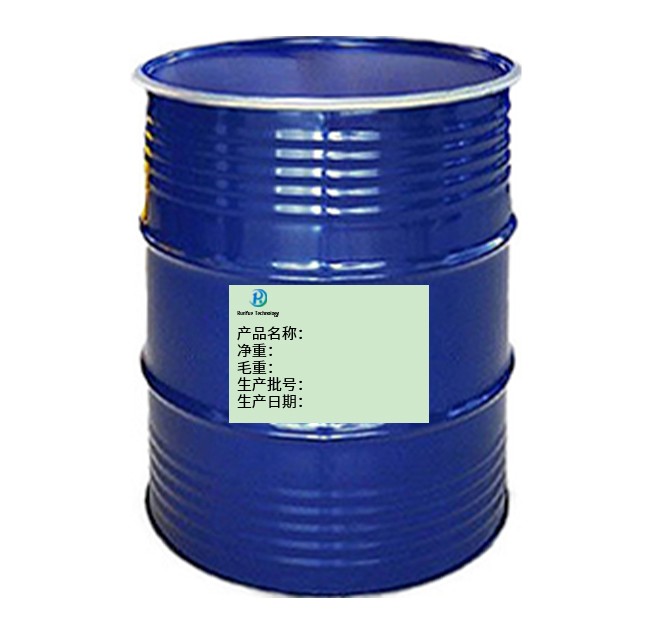
Polyether polyols are typically shipped in steel drums, IBC totes, or ISO tanks, depending on volume and handling requirements. Because the material can absorb moisture and is sensitive to prolonged heat, packaging integrity and storage conditions matter. Buyers in Guangdong should clarify the Incoterms used, such as FOB, CIF, or DDP, since this determines where risk and cost transfer. Customs documentation for domestic and export movements generally includes the commercial invoice, packing list, contract, and any required transport or safety documentation. Lead time, minimum order quantity, and packaging format should be confirmed in writing.
Contract and Compliance Checklist
A neutral purchase contract for propylene glycol block polyether should address the following:
- Exact grade designation and specification table, including test methods and tolerances.
- Batch traceability and the right to receive a COA for each delivered lot.
- Sampling and acceptance procedures, including the option for third-party testing.
- Packaging, labeling, and storage requirements.
- Delivery terms, Incoterms, and responsibility for transport damage.
- Payment terms tied to documented delivery and acceptance.
- Handling of non-conforming material, including replacement or credit.
- Compliance with applicable chemical regulations in the destination market.
Buyers should also confirm whether any regulatory registration or notification is required for their specific end use, and consult qualified professionals where compliance questions arise.
Conclusion: A Practical Verification Framework
Sourcing propylene glycol block polyether in Guangdong is primarily a verification exercise. The workable sequence is to confirm the supplier's legal entity and registration status, review specification sheets with stated test methods, test samples independently, and secure complete quality and safety documentation before committing to volume. Matching specification parameters to the actual application, rather than to a single headline figure, reduces the risk of downstream processing problems. Public company records, such as the Anhui-based example above, illustrate the level of detail a buyer can confirm, while reminding buyers that a supplier's true location and role should always be checked against its claims. Applied consistently, this framework gives Guangdong buyers a defensible basis for supplier selection and contract terms.